
Sport News
Raqball: Evolucija hibridnih sportova i nova era timske dinamike

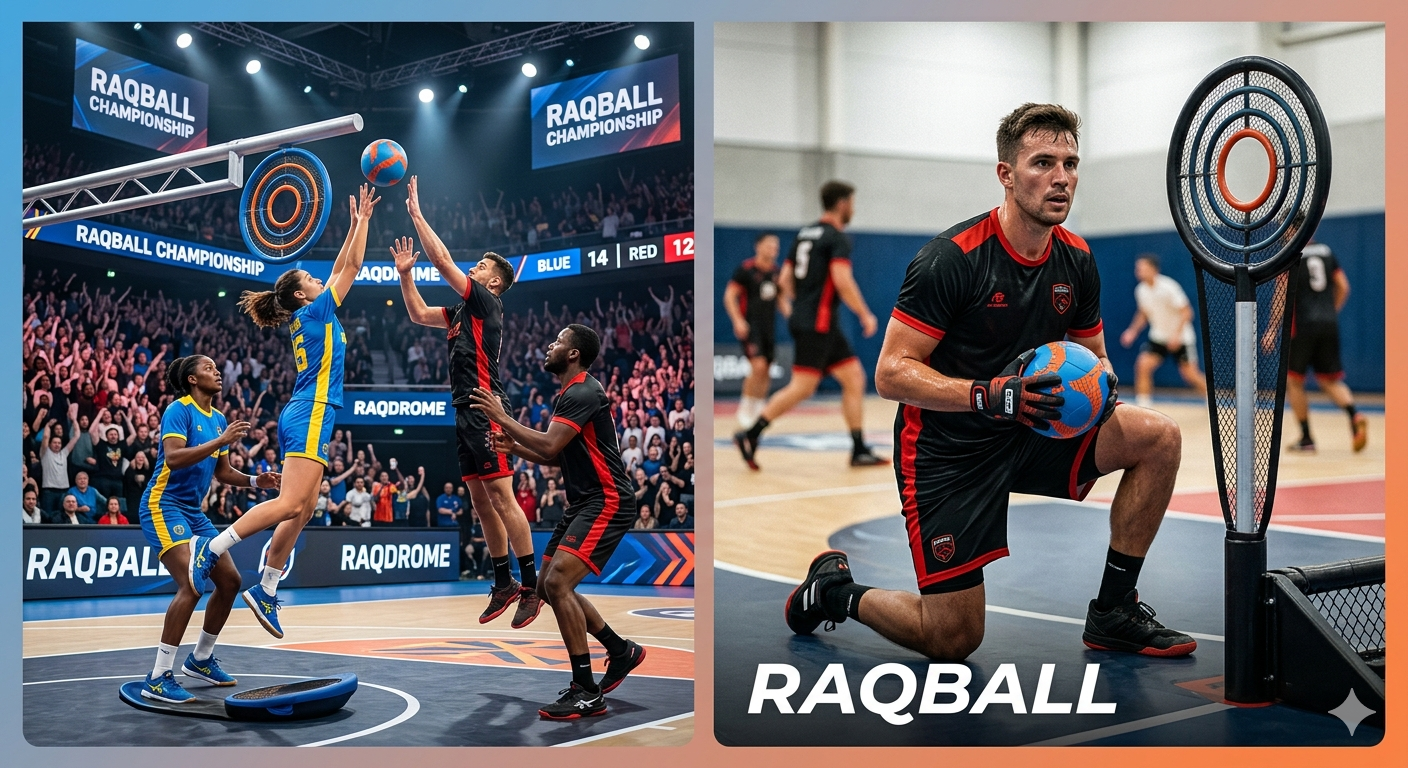
Zaboravite na trenutak klasične podjele između košarke, rukometa i ragbija. Zamislite sport koji uzima fizičku snagu jednog, preciznost drugog i taktičku dubinu trećeg, a zatim sve to spaja u dinamično okruženje gdje nema tapkanja lopte, ali ima beskrajno mnogo kretanja. To je Raqball.
Ako ste se ikada zapitali kako bi izgledao sport dizajniran za 21. stoljeće — sport koji podjednako cijeni eksplozivnost i intelekt — odgovor se krije u ovoj disciplini koja polako ali sigurno osvaja europske dvorane.
Brzi vodič: Tko, Što, Gdje i Zašto?
Prije nego što zaronimo u tehničke detalje, važno je postaviti temelje za svakoga tko se prvi put susreće s ovim pojmom:
-
Što je Raqball? To je hibridni timski sport koji se igra na pravokutnom terenu (Raqdrome), gdje se dvije ekipe od po pet igrača natječu u postizanju pogodaka u vertikalne i horizontalne ciljeve.
-
Tko ga je stvorio? Idejni začetnik je Robert Rakic, koji je želio stvoriti sport bez mrtvih točaka (poput driblinga) koji bi poticao maksimalnu timsku suradnju.
-
Gdje se igra? Igra se isključivo u dvoranama na posebno dizajniranim podlogama, unutar terena dimenzija 30×15 metara, poznatog kao Raqdrome.
-
Zašto je postao popularan? Zato što eliminira individualno “soliranje”. Budući da je dribling zabranjen, lopta se mora kretati kroz pas-igru, što zahtijeva nevjerojatnu kondiciju i stalnu promjenu pozicija.
-
Kako se boduje? Bodovanje je višeslojno. Postoje “ciljevi” (targets) koji donose različit broj bodova ovisno o težini i poziciji s koje se upućuje udarac.
Anatomija sporta: Pravila koja mijenjaju igru
Raqball nije samo “još jedan sport s loptom”. Njegova filozofija počiva na eliminaciji onoga što osnivači nazivaju “tehničkim uskim grlima”. U košarci, vrhunski dribler može dominirati posjedom. U Raqballu, to je fizički nemoguće.
Zabranjen dribling: Srce kolektivizma
Ovo je pravilo koje najviše šokira pridošlice iz košarkaškog svijeta. Kada igrač primi loptu, ima samo tri sekunde ili dva koraka prije nego što je mora dodati ili uputiti prema cilju. Ovo pravilo pretvara utakmicu u visokofrekventni niz odluka. Ako stojite s loptom, vi ste teret timu.
Raqdrome: Više od običnog terena
Teren je okružen prozirnim ogradama, slično hokeju na ledu, što znači da lopta rijetko izlazi iz igre. To održava tempo na razini koju rijetko koji drugi dvoranski sport može pratiti. Nema dugih pauza za izvođenje autova; igra je fluidna, gotovo neprekidna.
Sustav bodovanja (Target & Goal)
Bodovanje u Raqballu je ono što ga čini taktički superiornim. Na svakom kraju terena nalazi se struktura koja sadrži:
-
Gornji cilj (The Target): Donosi 3 boda i zahtijeva ekstremnu preciznost.
-
Središnji dio: Donosi 2 boda.
-
Donji dio (The Goal): Donosi 1 bod.
Ova gradacija prisiljava timove da u zadnjim sekundama napada donose odluke o riziku i nagradi. Idete li na siguran bod ili riskirate za tri?
Oprema i tehnologija: Lopta i podloga
Kada govorimo o Raqball opremi, ne govorimo o generičkim loptama koje možete kupiti u bilo kojoj trgovini sportskom robom.
-
Raqball lopta: Ona je manja od košarkaške, ali veća od rukometne. Njezina tekstura je dizajnirana za maksimalni “grip” (prianjanje), jer se igra odvija velikom brzinom i znojni dlanovi ne smiju biti prepreka preciznom dodavanju.
-
Obuća: Budući da su kretnje lateralne (lijevo-desno) i uključuju mnogo naglih zaustavljanja, igrači koriste obuću s pojačanim bočnim stabilizatorima.
-
Dresovi: Dizajnirani su da budu aerodinamični, jer svaki milimetar prostora u Raqdromeu znači razliku između presječene lopte i poena.
💡 Pro Tip: Taktička prednost
U Raqballu, najvažniji igrač nije onaj s najjačim šutom, već onaj koji najbolje čita “passing lanes” (putanje dodavanja). Ako želite dominirati, vježbajte predviđanje kretanja suigrača bez lopte. U ovom sportu, kretnja bez lopte čini 90% uspjeha.
Fiziološki benefiti: Zašto je Raqball ultimativni trening?
Ako tražite način da dovedete svoje tijelo u vrhunsku formu, Raqball je znanstveno gledano jedan od najučinkovitijih načina. On kombinira tri ključna elementa fitnesa:
1. Visokointenzivni intervalni trening (HIIT)
Zbog pravila o tri sekunde, igrač je u konstantnom sprintu. Srčani ritam tijekom utakmice rijetko pada ispod 75% maksimalnog kapaciteta. To potiče nevjerojatnu potrošnju kalorija i poboljšava kardiovaskularno zdravlje brže od tradicionalnog trčanja.
2. Agilnost i propriocepcija
Budući da se igra u skučenom prostoru Raqdromea s pet suigrača i pet protivnika, vaša svijest o prostoru (propriocepcija) mora biti na vrhunskom nivou. Nagla skretanja jačaju ligamente gležnjeva i koljena (uz pravilnu pripremu) te razvijaju eksplozivnu snagu nogu.
3. Anaerobna izdržljivost
Kratki, snažni napadi koji traju po 20-30 sekundi grade mišićnu izdržljivost, posebno u core-u i ramenom pojasu, budući da su blokade i fizički kontakt dio igre (unutar pravila fer-pleja).
Strategija i uloge u timu
Iako je sport hibridan, on je razvio specifične uloge koje igračima omogućuju specijalizaciju:
-
The Pivot (Pivot): Obično fizički najjači igrač koji zauzima prostor blizu protivničkog cilja. Njegov zadatak je primiti loptu pod pritiskom i distribuirati je ili postići poen.
-
The Playmaker (Organizator): Mozak ekipe. Onaj koji vidi slobodan prostor prije nego što on nastane. Njegova preciznost u dodavanju je ključna.
-
The Winger (Krilo): Najbrži igrači koji koriste širinu terena i ograde Raqdromea kako bi izbjegli markaciju.
Globalni uspon Raqballa: Više od igre
Raqball International Federation (RIF) ulaže ogromne napore u standardizaciju sporta širom svijeta. Ono što je počelo kao vizija u Europi, sada se širi na sve kontinente. Razlog je jednostavan: televizičnost.
Za razliku od nekih sportova koji mogu biti spori za prosječnog gledatelja, Raqball je vizualni spektakl. Lopta leti, igrači se sudaraju, a bodovi se mijenjaju svake minute. To ga čini idealnim za digitalno doba i kratke formate sadržaja koji dominiraju društvenim mrežama.
Inkluzivnost u sportu
Jedna od najljepših strana Raqballa je njegova prilagodljivost. Postoje muške, ženske i mješovite lige. Budući da se ne oslanja isključivo na visinu (kao košarka) ili isključivo na sirovu snagu (kao ragbi), igrači različitih fizičkih predispozicija mogu biti jednako uspješni ako imaju dobru tehniku i viziju.
Kako početi trenirati Raqball?
Ako ste zainteresirani za ulazak u svijet ovog sporta, proces je jednostavan:
-
Pronađite lokalni klub: Iako su dvorane specifične, mnogi rukometni i košarkaški tereni se mogu privremeno adaptirati za treninge osnova.
-
Fokus na bazičnu tehniku: Prvo naučite hvatati i dodavati loptu bez gledanja u nju. To je temelj svega.
-
Kardio priprema: Nemojte odmah uskočiti u punu utakmicu. Počnite s vježbama sprinta i promjene smjera.
-
Gledajte profesionalce: Analizirajte snimke utakmica na službenim kanalima Federacije kako biste shvatili geometriju terena.\
Često postavljana pitanja (FAQ)
1. Je li Raqball opasan sport s obzirom na kontakt?
Iako postoji fizički kontakt, on je strogo reguliran. Nisu dozvoljeni udarci ili obaranja kao u ragbiju. Kontakt je više sličan onome u rukometu ili modernoj košarki, gdje se tijelo koristi za građenje pozicije.
2. Koja je razlika između Raqballa i rukometa?
Glavna razlika je u meti (cilju) i kretanju. U rukometu imate golmana i polukružni prostor u koji ne smijete ulaziti. U Raqballu su ciljevi drukčije postavljeni, bodovanje je kompleksnije, i nema golmana u tradicionalnom smislu.
3. Koliko traje jedna utakmica?
Standardna utakmica se obično sastoji od četiri četvrtine, slično košarci, ali intenzitet je takav da su rotacije igrača vrlo česte.
4. Može li se Raqball igrati vani?
Iako je primarno dvoranski sport (zbog potrebe za ogradama i specifičnom podlogom), postoje varijante koje se mogu prilagoditi vanjskim terenima uz postavljanje mobilnih barijera.
5. Koja je idealna dob za početak?
Raqball je izvrstan za djecu jer razvija koordinaciju bez opterećenja koje donosi pretjerano driblanje. Profesionalci obično počinju u kasnim tinejdžerskim godinama nakon baze u drugim sportovima.
Zaključak: Budućnost je u pokretu
Raqball nije prolazni trend. On je odgovor na potrebu za sportom koji je brz, pošten i duboko društven. U svijetu gdje smo sve više statični, ovakva disciplina nudi povratak primarnoj ljudskoj potrebi za timskim radom i fizičkim izazovom. Bez obzira jeste li iskusni sportaš ili netko tko traži novu strast, ovaj sport vam nudi priliku da testirate svoje granice na način na koji niti jedan drugi sport ne može.
Sljedeći put kada vidite Raqdrome, nemojte samo prolaziti. Uđite, uzmite loptu i osjetite ritam igre koja ne poznaje stajanje. Raqball vas čeka.

When I first started auditing search trends for sports media companies over a decade ago, I learned never to take a keyword at face value. A perfect example is the explosive, sudden search volume behind mathstream sports. If you are typing this phrase into Google, you aren’t looking for a varsity calculus competition. You are almost certainly a cord-cutter trying to track down free live sports broadcasts, and your keyboard—or a search engine filter—autocorrected your query into something completely different.
Who is driving this search trend? Die-hard sports fans exhausted by the highly fragmented, expensive nature of modern broadcasting rights. What are they hunting for? High-definition, low-latency streams of the NFL, NBA, UFC, and European soccer leagues. Where are they searching? Across a shifting landscape of unregulated, offshore digital domains. Why does this specific keyword exist? It is a linguistic glitch—a bizarre digital collision between the popular pirate aggregator Methstreams and a completely unrelated educational platform called MATHstream. Finally, how can you navigate this chaotic arena safely? By understanding the underlying mechanics of third-party broadcasting networks and weighing the true cost of “free” against the reliability of legal alternatives.
You are in the right place. We are going to unpack exactly why millions of fans are relying on these specific search queries, the hidden mechanics of offshore streaming sites, and the smartest ways to watch your favorite teams in 2026 without compromising your digital security or your wallet.
The “Mathstream” Typo Explained: What Are You Really Looking For?
Search intent is the absolute baseline of modern content strategy. When we analyze the intent behind this specific keyword, we see a fascinating split between two wildly different digital entities. Let’s separate the reality from the autocorrect.
On one side of the digital aisle, you have MATHstream. This is a legitimate, highly regarded interactive educational platform developed by Carnegie Learning. It pairs gamified learning with engaging instructors to help middle and high school students master complex mathematics. It is brilliant software, but it has absolutely zero to do with Sunday Night Football.
On the other side, you have Methstreams—a heavy hitter in the underground world of free live sports broadcasting. Born from the ashes of legacy streaming networks like Crackstreams and VIPBox, this site emerged as a central hub for fans refusing to pay multiple subscription fees for basic sports access.
When you combine aggressive smartphone autocorrect algorithms with users intentionally misspelling words to bypass Internet Service Provider (ISP) blocks, you end up with “mathstream sports.” People want the game, but they don’t want the hassle of tracking down URLs that change their domain suffixes every three weeks to avoid takedowns.
The Economics of Modern Sports Streaming: Why Fans Look for Alternatives
To understand why platforms operating under the “mathstream” umbrella generate millions of monthly visitors, you have to look at the current state of sports broadcasting.
A few years ago, cord-cutting was sold to consumers as a way to save money. You drop your $120 cable bill, pick up a $10 streaming service, and you are good to go. Today, that promise is completely broken. Sports broadcasting rights have been sliced, diced, and sold to the highest bidders across the tech and media sectors.
Consider what a dedicated sports fan requires just to watch a standard season of American sports in 2026:
-
NFL Football: Games are scattered across local networks, Amazon Prime (Thursday Night), Peacock (exclusive international/playoff games), Netflix (Christmas Day), and YouTube TV (Sunday Ticket).
-
NBA Basketball: Rights are split between ESPN, TNT, and regional sports networks (RSNs) that are notoriously difficult to access without a premium cable package.
-
Combat Sports: UFC pay-per-views require an ESPN+ subscription just for the privilege of buying the $79.99 fight.
-
Global Soccer: Premier League is on USA Network and Peacock; Champions League is locked behind Paramount+.
The sheer financial fatigue of managing six different subscriptions is exactly what drives users toward aggregator sites. Fans are not necessarily opposed to paying; they are opposed to the massive friction and cumulative cost of accessing the content.
The Hidden Dangers of Unofficial Streaming Sites
While the appeal of an all-in-one, free streaming portal is obvious, the reality of using these sites is rarely smooth. Operating an unauthorized broadcasting network requires massive server power to handle bandwidth during peak events like the Super Bowl or a heavy-hitting boxing match. To pay for these servers, operators rely on aggressive, often malicious, monetization strategies.
If you are frequenting these platforms, you need to understand the structural risks involved:
1. The Threat of Malvertising
Unofficial sites rarely run standard banner ads. They rely on “malvertising”—the practice of injecting malicious code into transparent overlays that cover the video player. When you click the “Play” button or attempt to close a pop-up, you are frequently executing a script that can force your browser to download malware, adware, or tracking Trojans.
2. Extreme Buffering and Latency
There is nothing more frustrating than watching a live game on a two-minute delay, only to have a group chat spoil the final play before you see it happen. Because these sites utilize mirrored offshore servers to avoid legal jurisdiction, their content delivery networks (CDNs) cannot dynamically scale the way official platforms can. When five million people try to load the same main event stream simultaneously, the server bottlenecks, resulting in endless buffering rings.
3. Sudden Domain Takedowns
The lifespan of an unauthorized streaming URL is incredibly short. Anti-piracy coalitions and sports leagues employ automated bots to issue Digital Millennium Copyright Act (DMCA) strikes in real-time. A stream might run flawlessly for the first three quarters of a basketball game, only to display a “Domain Seized” error message with two minutes left on the clock.
Pro Tip: The Security Sandbox
If you find yourself navigating third-party sports directories or aggregators, your browser is your first line of defense. Never access these sites without a reputable, system-wide ad-blocker (like uBlock Origin) and a strict Virtual Private Network (VPN) active. A VPN encrypts your traffic, masking your IP address from potential throttling by your ISP, while the ad-blocker disables the JavaScript overlays that trigger malicious pop-ups.
Top Legal Alternatives to Mathstream Sports in 2026
If you are tired of playing a game of digital whack-a-mole with broken links and pixelated video feeds, the market has finally started offering more streamlined, legal alternatives. While none are completely free, many offer reliable, HD streams that guarantee you won’t miss the final buzzer.
YouTube TV: The Modern Cable Killer
For the all-around sports fan, YouTube TV remains the gold standard. It carries almost every local broadcast network (ABC, CBS, FOX, NBC) alongside ESPN, FS1, and the Big Ten Network. Crucially, it owns the rights to NFL Sunday Ticket, allowing you to integrate out-of-market games directly into your main interface. The unlimited cloud DVR means you can record overlapping games and watch them later without spoilers.
FuboTV: The Soccer and Niche Sports Heavyweight
Originally built specifically for soccer fans, FuboTV has evolved into a massive live TV provider. If your primary interest lies in international soccer, Formula 1, or regional baseball, Fubo is highly competitive. It is one of the few services that consistently prioritizes Regional Sports Networks (RSNs), making it a lifeline for fans trying to watch their local MLB or NBA teams without a traditional cable contract.
ESPN+ : The Budget-Friendly Companion
At its price point, ESPN+ is practically a mandatory utility for sports fans. While it will not give you access to the main Monday Night Football broadcast, it is the exclusive home for the UFC, top-tier college athletics, the NHL out-of-market package, and international soccer tournaments like the FA Cup. It is a highly stable, low-latency platform that frequently streams in 4K.
DAZN: The Combat Sports King
If your search for “mathstreams” is driven entirely by boxing and MMA, DAZN is the premier destination. Moving away from the traditional $80 pay-per-view model, DAZN offers a flat monthly or annual subscription that grants access to premium Matchroom Boxing, Golden Boy Promotions, and the Professional Fighters League (PFL).
Moving Forward: The Future of Sports Access
The broadcast industry is slowly realizing that pricing out the average fan only fuels the shadow streaming economy. We are beginning to see the early stages of “micro-transactions” in sports viewing—where networks allow you to pay $2 to watch the final quarter of a close NBA game rather than forcing a $30 monthly subscription.
Until those flexible payment models become the industry standard, search terms like “mathstream sports” will continue to dominate Google Trends. Fans will always find a way to watch their teams. The key is ensuring that when you do tune in, you are prioritizing the security of your devices and the reliability of your feed over the temporary convenience of a risky, unauthorized click.
Frequently Asked Questions (FAQ)
What is the difference between MATHstream and Methstreams?
MATHstream is a legitimate, interactive educational video platform created by Carnegie Learning to help students learn mathematics. Methstreams is a third-party, unauthorized website that aggregates links to live sports broadcasts. The confusion arises primarily from user typos and autocorrect features.
Is it illegal to watch live sports on unofficial streaming sites?
The legality varies strictly by jurisdiction. In most Western countries, the act of hosting or distributing copyrighted broadcasts without permission is a severe criminal offense. Simply viewing a stream on a web browser sits in a legal gray area and rarely results in prosecution for the end user, though accessing these sites often violates your Internet Service Provider’s terms of service.
Why does my live sports stream keep buffering?
Unofficial streams buffer frequently because they lack the high-capacity Content Delivery Networks (CDNs) that legal platforms use. When millions of viewers attempt to watch a popular event on a single, unregulated offshore server, the bandwidth simply cannot support the traffic, resulting in lag and poor video quality.
What is the best legal way to watch local sports without cable?
Currently, the most reliable legal methods for watching local sports (Regional Sports Networks) without a traditional cable contract are FuboTV and DIRECTV STREAM. Both services negotiate directly with RSNs to broadcast local NBA, NHL, and MLB games to viewers residing in their respective home markets.

If you’ve come across the term GWOC Sports, you’re probably wondering what it actually stands for—and more importantly—why it’s gaining attention. Let’s clear that up right away.
GWOC Sports typically refers to a structured sports ecosystem, league, or organization focused on competitive athletics, player development, and community engagement. While the acronym may vary slightly depending on context, it’s commonly associated with organized competitions, youth athletics programs, or regional sports conferences.
Within the first few minutes of exploring GWOC Sports, here’s what you need to know:
- Who: Athletes, coaches, schools, and sports organizations
- What: A competitive sports framework or league system
- Where: Often regional (schools, districts, or associations)
- Why: To promote athletic excellence, teamwork, and structured competition
- How: Through tournaments, scheduled matches, rankings, and development programs
Now let’s go deeper—because there’s a lot more beneath the surface.
What Exactly Is GWOC Sports?
At its core, GWOC Sports represents an organized sports network that brings together teams under a unified competition structure. Think of it like a conference system where multiple schools or clubs compete across various sports disciplines.
Depending on the region or context, GWOC may stand for something like a conference or coalition, often involving:
- High school athletic leagues
- Amateur sports associations
- Regional competition frameworks
These systems ensure that competitions are fair, scheduled, and performance-driven, rather than random or informal.
The Purpose Behind GWOC Sports
Why do systems like GWOC exist in the first place?
Because sports without structure quickly become chaotic.
GWOC Sports provides:
1. Organized Competition
Teams follow a fixed schedule, ensuring balanced matchups and fair play.
2. Talent Development
Young athletes get consistent exposure to competitive environments, helping them improve faster.
3. Ranking & Recognition
Standings, statistics, and performance tracking help identify top performers.
4. Pathways to Higher Levels
Many athletes use these leagues as stepping stones to collegiate or professional sports.
How GWOC Sports Works (Behind the Scenes)
You might think it’s just about games—but there’s a whole system running quietly in the background.
League Structure
Teams are divided into divisions based on skill level, geography, or school size.
Season Format
- Regular season matches
- Playoffs or championships
- Ranking systems based on wins/losses
Governance
A central authority or committee typically manages:
- Rules and regulations
- Scheduling
- Disciplinary actions
Performance Metrics
Stats aren’t just for fans—they’re crucial for:
- Player scouting
- Team strategy
- Historical records
Key Sports Covered in GWOC Systems
While the exact lineup can vary, most GWOC Sports frameworks include:
- Football (soccer or American football)
- Basketball
- Baseball / Softball
- Track and field
- Volleyball
- Tennis
Some leagues also expand into:
- Swimming
- Wrestling
- Esports (yes, that’s becoming a thing)
Why GWOC Sports Matters More Than You Think
Here’s where it gets interesting.
A structured sports league like GWOC doesn’t just benefit athletes—it shapes entire communities.
Community Engagement
Local games bring people together. Families, students, and fans build strong emotional connections with teams.
Discipline & Life Skills
Athletes learn:
- Time management
- Teamwork
- Leadership
These skills translate far beyond the field.
Educational Opportunities
Many student-athletes earn scholarships based on their performance in such leagues.
The Hidden Advantage: Player Development
Let me share something often overlooked.
Players in structured systems like GWOC improve faster than those in casual setups.
Why?
Because they experience:
- Consistent competition
- Professional coaching
- Performance feedback
This creates a high-growth environment—almost like a fast-track for athletic development.
GWOC Sports vs. Informal Sports: A Clear Difference
| Feature | GWOC Sports | Informal Sports |
|---|---|---|
| Structure | Highly organized | Casual, unstructured |
| Competition Level | Competitive | Recreational |
| Skill Development | Systematic | Limited |
| Recognition | Rankings, awards | Minimal |
| Career Pathways | Strong | Rare |
The difference is night and day.
Challenges Facing GWOC Sports
No system is perfect.
Even well-structured leagues face hurdles:
1. Funding Issues
Maintaining facilities, equipment, and staff can be expensive.
2. Player Pressure
Competitive environments can sometimes lead to stress or burnout.
3. Unequal Resources
Not all teams have the same level of access to coaching or facilities.
4. Injury Risks
Higher competition means higher physical demands.
How Technology Is Changing GWOC Sports
This is where things get exciting.
Modern GWOC systems are evolving with technology:
- Data Analytics: Teams analyze performance metrics in real-time
- Live Streaming: Games reach wider audiences online
- Mobile Apps: Schedules, scores, and stats at your fingertips
- Wearable Tech: Tracks player fitness and injury risks
The result? A smarter, faster, more engaging sports experience.
Pro Tip: How to Get Involved in GWOC Sports
Pro Tip:
If you’re an aspiring athlete or parent, don’t wait for opportunities—actively seek out local GWOC-style leagues or school programs. Attend trials, connect with coaches, and track league announcements online. Early involvement dramatically increases exposure and growth potential.
Future of GWOC Sports
The trajectory looks promising.
Here’s what we’re likely to see:
- Expansion into digital and hybrid competitions
- Increased scouting visibility through online platforms
- Greater emphasis on mental health and athlete wellness
- Inclusion of non-traditional sports like esports
In short, GWOC Sports is not just surviving—it’s evolving.
Common Misconceptions About GWOC Sports
Let’s clear up a few myths:
“It’s Only for Elite Athletes”
Not true. Many leagues have multiple divisions for different skill levels.
“You Need Expensive Training”
While helpful, raw talent and consistency often matter more.
“It Guarantees a Pro Career”
It improves chances—but success still depends on performance and dedication.
How GWOC Sports Impacts Youth Development
This deserves special attention.
Youth involved in structured sports systems tend to:
- Perform better academically
- Develop stronger social skills
- Build resilience under pressure
It’s not just about winning—it’s about growth.
Final Thoughts
GWOC Sports represents more than just organized competition—it’s a framework for growth, discipline, and opportunity.
Whether you’re an athlete chasing excellence, a parent supporting your child, or simply a sports enthusiast, understanding how systems like GWOC operate gives you a clear edge.
Because at the end of the day, sports aren’t just played—they’re structured, nurtured, and elevated through systems like this.
Frequently Asked Questions (FAQs)
1. What does GWOC Sports stand for?
GWOC Sports typically refers to a structured sports league or conference that organizes competitive athletic events among teams or schools.
2. Who can participate in GWOC Sports?
Participation usually includes students, amateur athletes, and teams affiliated with schools or regional sports organizations.
3. Is GWOC Sports only for professional athletes?
No, it primarily focuses on amateur and youth athletes, though it can serve as a pathway to professional opportunities.
4. How does GWOC Sports benefit athletes?
It offers structured competition, skill development, exposure to scouts, and opportunities for scholarships or advancement.
5. How can I join a GWOC Sports league?
You can join through your school, local sports clubs, or by registering for regional tryouts and leagues that operate under similar frameworks.

Sichere KYC-Verifizierung bei Goldbet Casino: So schützen Sie Ihre Daten
Maximize your fun: What to know about Neosurf Casino Australia 2026’s game features
How to maximize your experience at New Online Casino Canada 2026: A guide for

FIFA Login: Complete Guide to Access Your FIFA Account Securely

The Ultimate Guide to Adventureppctop.com Business License: Transparency and Compliance in Digital Advertising

Contact DesignMode24 Com: Features and Support Guide
-
 FIFA world Cup4 months ago
FIFA Login: Complete Guide to Access Your FIFA Account Securely
-
Business6 months ago
The Ultimate Guide to Adventureppctop.com Business License: Transparency and Compliance in Digital Advertising
-
 Blog4 months ago
Contact DesignMode24 Com: Features and Support Guide
-

 FIFA world Cup4 months ago
Ticketing Software Features for World Cup 2026 Openers
-

 FIFA world Cup4 months ago
City Sports Near Me: The Complete Guide to Finding Local Athletic Activities
-

 Blog5 months ago
Beyond the Buttons: under growth games uggcontroman controller Controller Philosophy
-
 Gadgets7 months ago
The Ultimate Guide to the Best Linux Distro for Gaming in 2026
-
 Sports7 months ago
Devoropa Sports: The Ultimate Guide to High-Performance Athletic Gear