
Football
The Unfiltered Guide to OU Football Brainiacs: Why Norman’s Ultimate Insider Community Rules the SEC Era

Walking through Campus Corner in Norman on a crisp October Saturday, the air smells like hickory smoke and nervous anticipation. But for a certain segment of the Sooner faithful, the game didn’t start at kickoff—it started months ago in a film room or a “silent” recruiting dinner. These are the followers of OU Football Brainiacs, a digital hub that has redefined how Oklahoma fans consume information.
In an era of generic sports journalism and “copy-paste” recruiting updates, the Brainiacs have carved out a niche by offering something rare: autonomy and technical depth. They aren’t just reporting scores; they are breaking down the “Apex” defender’s responsibilities in a Brent Venables scheme and telling you why a three-star recruit from East Texas might actually be a 4.2 on their internal grading scale.
The 5 W’s of OU Football Brainiacs: Immediate Insight
-
Who: Founded and operated by former players and deep-pocketed insiders (most notably the legendary “Super K” and analysts like Charlie S), this group consists of football lifers who prioritize film over hype.
-
What: A specialized media outlet and community forum focusing on University of Oklahoma recruiting, schematic analysis, and “behind-the-curtain” program news.
-
Where: While their primary presence is online at TheFootballBrainiacs.com, their influence is felt across the South, from the high school sidelines in DFW to the luxury suites at Gaylord Family Oklahoma Memorial Stadium.
-
Why: To provide an alternative to “homer” media. Fans want to know the real reason a linebacker was benched or why a five-star commit is suddenly taking visits to Eugene or Austin.
-
How: Through a unique proprietary grading system (the 2.0 to 5.0 scale) and “boots on the ground” reporting that often beats national outlets to the punch.
The Philosophy of the “Brainiac”: Beyond the Star Ratings
Most recruiting sites use a simple star system (3-star, 4-star, 5-star). While effective for general audiences, the OU Football Brainiacs realized early on that stars don’t tell the whole story—especially when evaluating how a player fits into Oklahoma’s specific culture and scheme.
The 2.0 to 5.0 Evaluation Scale
The Brainiacs utilize a nuanced decimal scale that looks at a player’s “ceiling” rather than just their current ranking.
-
4.0 – 4.4 (Elite Prospect): This is a “day one” impact player. They possess the rare combination of high football IQ and “twitchy” athleticism that defines SEC-ready talent.
-
3.4 – 3.9 (High-End Developer): A player who might be a “project” but has the frame and raw tools to be an All-Conference selection by their junior year.
-
Below 3.0: Quality depth or specialized role players who are necessary for a 12-game grind but might not be the “face of the franchise.”
By using this granular approach, the Brainiacs provide a more realistic roadmap for fan expectations. When they label a kid a “4.1,” the community knows they’ve seen something on the film—perhaps a specific hip fluidity or a violent hand-strike—that the national algorithms missed.
The Brent Venables Era: A Schematic Renaissance
Since Brent Venables returned to Norman to take the helm, the demand for “Brainiac-level” analysis has skyrocketed. Why? Because Venables’ defense is notoriously complex. It isn’t just a “4-3” or a “3-4”; it’s a living, breathing organism of pre-snap disguises and “creepers” (simulated pressures).
Decoding the “Apex” and “Cheetah”
The OU Football Brainiacs have been instrumental in teaching the fan base about the Cheetah position. In the Venables lexicon, this is the hybrid linebacker/safety who must be able to cover a slot receiver and blitz the B-gap on consecutive plays.
Through detailed film sessions and practice reports, the Brainiacs explain the “why” behind the scheme. They don’t just say “the defense played well.” They explain how the split-field safety looks forced the opposing quarterback into a check-down, allowing the Sooner linebackers to “rally and tackle.” This level of semantic depth is what separates a “Brainiac” from a casual observer.
Recruiting in the SEC: The New Frontier
As Oklahoma transitions into the SEC, the recruiting landscape has shifted from a regional battle to a national arms race. The OU Football Brainiacs have been at the forefront of tracking the “Future Freaks” events and the “ChampU BBQ”—critical summer milestones where the program hosts elite talent.
The NIL and Transfer Portal Factor
In 2026, you can’t talk about OU football without mentioning the 1Oklahoma Collective. The Brainiacs provide context on how Name, Image, and Likeness (NIL) impacts the “silent commitments” that Sooner fans obsess over.
They often discuss the Blue-Chip Ratio—the percentage of four and five-star recruits on a roster. To compete with the likes of Georgia and Alabama, Oklahoma must maintain a ratio above 60%. The Brainiacs track this metric with surgical precision, offering updates on the transfer portal that focus on “roster thickness”—a term used to describe having SEC-level starters at the second and third string.
Pro Tip for Sooner Fans
To get the most out of the OU Football Brainiacs community, don’t just read the front-page articles. Dive into the “Open Post” threads. This is where the real-time “intel” lives. When a recruiting “crystal ball” flips or a coach is spotted in a specific high school cafeteria, the message boards catch fire hours before it hits Twitter (X).
The “Super K” Influence: Insider Culture and “Intel”
The soul of the Brainiacs is undoubtedly the insider known as Super K. His reporting style is conversational, often cryptic, and always grounded in what he’s hearing from his network of “sources” (which often include parents, high school coaches, and former OU greats).
He brought a certain “swagger” to Sooner media. Instead of the dry, objective tone of traditional beat writers, Super K talks to the fans like they’re in the room with him. This “insider-as-a-friend” model is why the community is so fiercely loyal. When a Brainiac says, “I’m hearing positive things on the defensive line front,” fans know it’s backed by more than just a hunch.
Navigating the Emotional Rollercoaster of Signing Day
Early Signing Day and the February window are the “Super Bowls” for the Brainiacs. While national sites might report a signing as a done deal, the Brainiacs often highlight the nuance of the recruitment.
-
Is the kid “chasing the bag”?
-
Is there a “distance from home” factor?
-
Did a specific position coach build a three-year relationship that outlasts a late NIL offer from a rival?
This context helps fans manage the emotional volatility of modern recruiting. It turns the process from a binary “he’s in or he’s out” into a fascinating chess match.
Frequently Asked Questions (FAQ)
What makes OU Football Brainiacs different from other Sooners sites?
Most sites focus on broad news and volume. The Brainiacs focus on depth and expertise. Many of their contributors are former players who understand the technical aspects of the game (like offensive line hand placement or defensive secondary rotations) that standard journalists might overlook.
Is the content free, or is there a subscription?
While they offer a significant amount of free content and “Open Posts” for the general public, their “Premium Intel” and deep-dive evaluations usually require a membership. This subscription model allows them to remain independent of the school’s athletic department, ensuring their analysis stays objective.
Why do they use a decimal scale for recruiting?
The 2.0 to 5.0 scale allows for more nuance than a 5-star system. It helps distinguish between a “high 4-star” who is a finished product and a “low 4-star” who has more athletic upside but needs coaching.
Who is “Super K”?
Super K is a well-known recruiting insider within the Oklahoma and Texas football circles. He is recognized for his “boots-on-the-ground” style and his ability to get information directly from sources close to the prospects.
How has the SEC move changed their coverage?
The move to the SEC has forced a shift in focus toward line-of-scrimmage “meat.” The Brainiacs now spend more time analyzing offensive and defensive line depth, as the SEC is a “trench league.” They also track recruiting battles against SEC giants like LSU, Florida, and Tennessee.
The Future: Evolution in the Digital Age
As we look toward the 2026 season and beyond, the OU Football Brainiacs represent the future of sports media. They have moved away from the “one-size-fits-all” approach and toward a hyper-targeted, expert-led community. In a world where AI-generated summaries and automated box scores are becoming the norm, the human element of the Brainiacs—the ability to watch a kid’s senior film and say, “He’s got the ‘dog’ in him”—is more valuable than ever. For the Sooner fan who wants to be the smartest person at the tailgate, there is no better resource.
Whether it’s a breakdown of the latest “Sooner Magic” moment or a sober look at the challenges of a night game in Baton Rouge, the Brainiacs will be there, film in hand, ready to explain the “why” behind the “what.” Boomer Sooner.
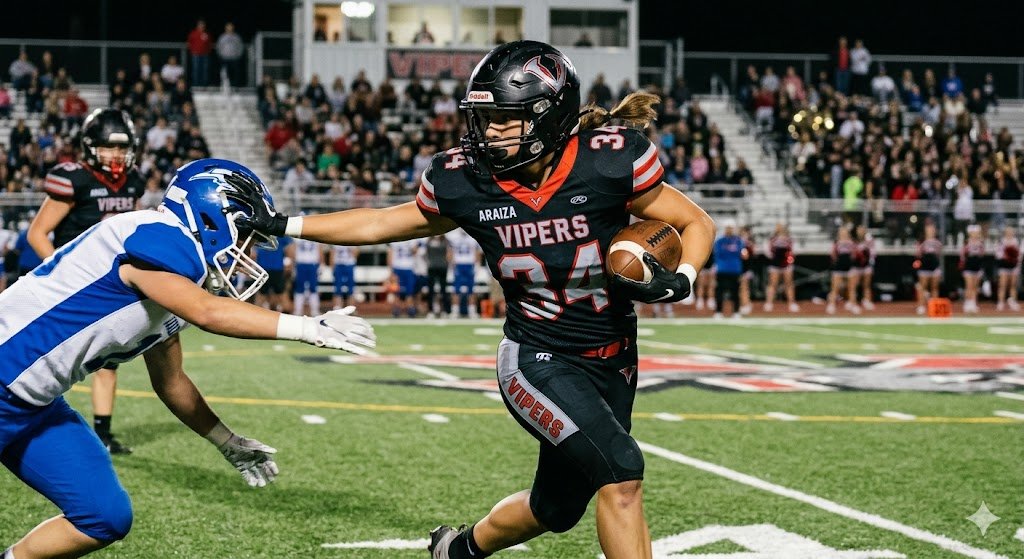
In the high-stakes theater of modern football, names don’t just appear on a roster; they are built through years of mechanical refinement and tactical obsession. As we navigate the 2026 competitive season, one name has consistently surfaced in scouting circles and sideline discussions: Izzy Araiza. When you pair Araiza’s natural ceiling with the high-octane development machine that is Vipers football, you get a blueprint for the modern elite athlete.
This isn’t just about a player throwing a ball or a team winning a game. This is about the intersection of advanced athletic “processing” and a program designed to bridge the gap between amateur play and professional-grade execution.
The “Who, What, Where, and Why” of Izzy Araiza
To understand the current buzz, we have to break down the fundamentals of this rising star within the first few seconds of the “film study.”
-
Who is he? Izzy Araiza is a high-IQ quarterback prospect who has become the definitive face of the Vipers’ offensive unit.
-
What makes him different? Unlike traditional “stationary” quarterbacks, Araiza possesses a rare “elasticity” in his playstyle—the ability to extend plays with his legs while maintaining a pass-first mentality.
-
Where is this happening? Within the Vipers football ecosystem, a program renowned for taking raw athletic potential and molding it into a “system-ready” asset for the next level.
-
Why does it matter? In a 2026 landscape where recruitment is driven by data and “translatable skills,” Araiza represents the specific type of player college programs are desperate to find: a leader who can manage a complex playbook under pressure.
Decoding the Vipers Football Methodology
The “Vipers” moniker is often synonymous with elite-level club and academy programs that operate year-round. These aren’t your typical neighborhood teams; they are development hubs. For Izzy Araiza, the Vipers program has served as both a shield and a sword.
The Professionalization of Youth Talent
In 2026, the gap between high school and college ball has shrunk, thanks to programs like the Vipers. They utilize:
-
Film Study Suites: Players like Araiza spend hours analyzing defensive rotations.
-
Biometric Tracking: Using wearable tech to optimize arm speed and recovery.
-
Elite Competition: Playing against other national-level “Vipers-caliber” teams ensures that every snap counts.
The 7v7 Catalyst
A huge part of the Izzy Araiza narrative is his performance in 7v7 circuits. 7v7 is essentially “football in a vacuum.” Without the threat of a pass rush, it isolates the quarterback’s decision-making and accuracy. Araiza’s ability to manipulate “Cover 2” safeties in this format has become legendary among his peers. He doesn’t just throw to the open man; he throws his teammates open.
Technical Deep-Dive: The Mechanics of Izzy Araiza
If you look at the biomechanics of a top-tier thrower, you’ll notice that power starts in the ground. For Araiza, his “kinetic chain” is his greatest weapon.
The “Quiet” Pocket
Most young quarterbacks “see ghosts”—they feel pressure that isn’t there and break the pocket too early. Araiza is different. He has an internal clock that allows him to hang in the “mud” of a collapsing line, keeping his shoulders square to the target. This poise is a hallmark of the Vipers’ training philosophy.
Arm Talent vs. Arm Strength
There is a massive difference between the two. Anyone can throw a ball through a brick wall, but arm talent is the ability to change speeds.
-
The “Touch” Pass: Dropping a ball over a linebacker into the bucket of a corner route.
-
The “Frozen Rope”: Zipping a pass into a tight window on a 15-yard dig route before the safety can close the gap.
| Attribute | Description | Impact on Game |
| Release Time | Lightning-quick snap of the wrist. | Neutralizes aggressive blitz packages. |
| Spatial Awareness | Feeling the “open grass” rather than looking at players. | Higher completion percentage in the red zone. |
| Escapability | Subtle lateral movements in the pocket. | Turns a 5-yard sack into a 20-yard gain. |
The Mental Processor: Why Coaches Love Him
The Vipers’ offensive coordinator once noted that giving Izzy Araiza a playbook is like giving a grandmaster a chessboard. He isn’t just memorizing routes; he’s understanding the geometry of the field.
Pre-Snap Mastery
In the modern game, the game is won or lost before the ball is snapped. Araiza’s ability to identify a “rolling coverage” or a “disguised blitz” allows him to audible into a more favorable play. This “CEO” mentality on the field is exactly what the Vipers program aims to instill in its captains.
The Leadership Factor
Leadership is often an intangible quality, but in Araiza, it’s visible. When a drive stalls or a teammate makes a mistake, he is the first person to provide a calming influence. This “emotional intelligence” is a key reason why the Vipers’ locker room is so cohesive.
The 2026 Recruitment Landscape: The “Araiza Effect”
As we move deeper into the 2026 season, the “Izzy Araiza Vipers Football” tag is becoming a high-value search term for recruiters. Why? Because he represents a “plug-and-play” athlete.
The Rise of the “System QB”
Colleges are moving away from projects. They want players who have already played in a high-octane, spread-offense environment. Because the Vipers run a scheme that mirrors top-tier D1 programs, Araiza’s transition to the next level will likely be seamless.
Pro Tip: Scouting Izzy Araiza
Don’t just watch the touchdowns. Watch the “throw-aways.” A quarterback who knows when to live to fight another day—rather than forcing a turnover—is a quarterback who wins championships. Araiza’s “Low-Turnover-to-Big-Play” ratio is elite.
Frequently Asked Questions (FAQ)
What makes Izzy Araiza a top prospect for the Vipers?
It is a combination of his elite “processing speed” and his physical mechanics. His ability to read defenses pre-snap and deliver the ball with varying arm angles makes him a multi-threat weapon.
How does the Vipers football program help in player recruitment?
The Vipers provide a high-exposure platform. They participate in national tournaments and 7v7 circuits that are heavily monitored by collegiate scouts and recruiting analysts, ensuring their players get the “eyeballs” they need.
Is Izzy Araiza a dual-threat quarterback?
While he is a “pass-first” quarterback, he is highly mobile. He uses his athleticism to extend plays and create “off-platform” throws, which is a key requirement for modern football.
What should we expect from Izzy Araiza in the upcoming season?
Expect a more aggressive “vertical” attack. As his chemistry with the Vipers’ receiving corps deepens, he is likely to take more calculated shots downfield, further boosting his stats and highlight reels.
Conclusion: The Future is Bright
The story of Izzy Araiza and Vipers football is more than just a sports highlight; it’s a case study in how modern athletes are created. By combining natural talent with a professional-grade development system, Araiza has positioned himself as a cornerstone of the next generation.
Whether you are a scout looking for the next big thing, a coach looking for tactical inspiration, or a fan of the Vipers, one thing is clear: Izzy Araiza is a name that will be ringing through stadium speakers for a long time to come. Keep your eyes on the Vipers’ backfield—the future of the position is currently being written, one snap at a time.
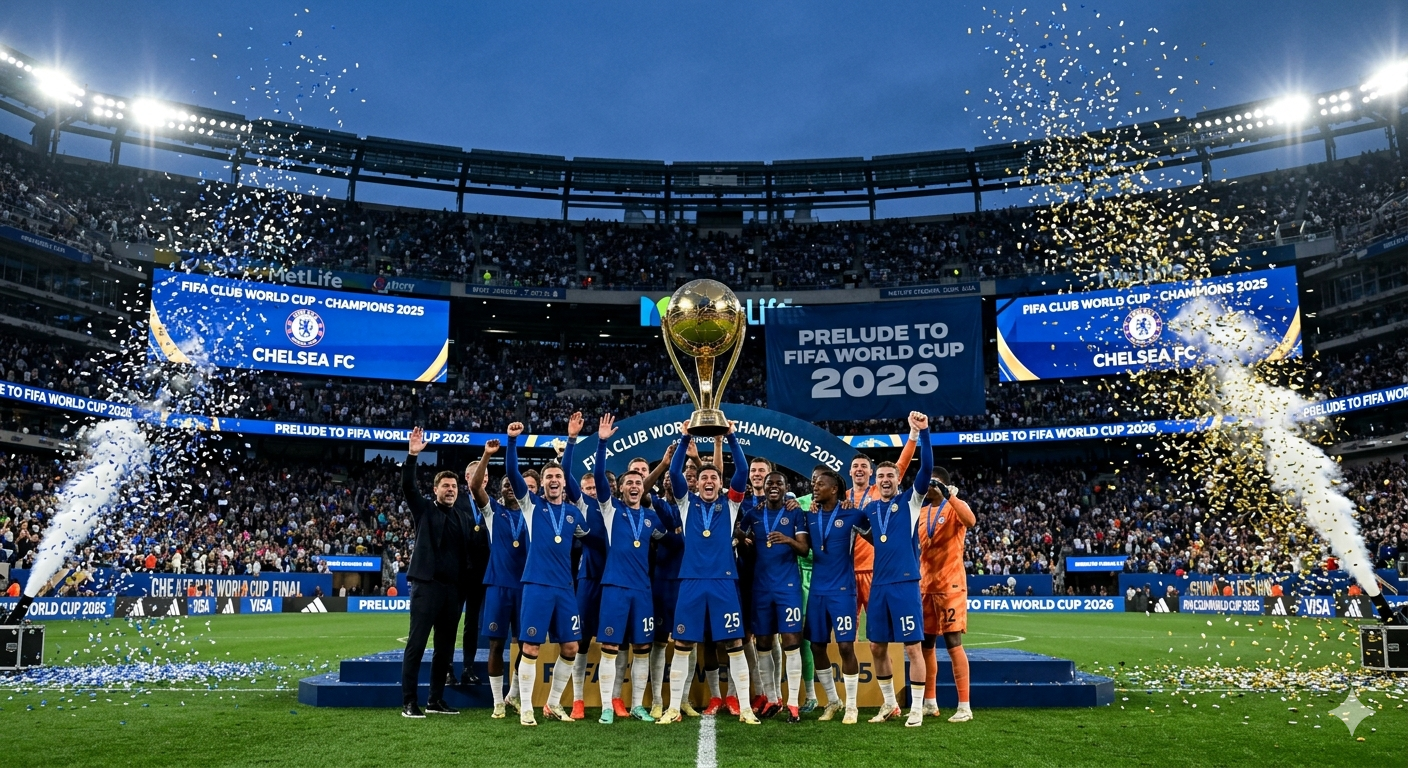
The quest to be crowned the “Champions of the World” isn’t just reserved for national teams every four years. For the elite clubs of the planet, the FIFA Club World Cup represents the ultimate mountain to climb. As we look back at the FIFA Club World Cup championship photos from past years, we see more than just celebrations; we see the evolution of a tournament that has grown from a niche intercontinental experiment into a massive, 32-team global spectacle.
With the recent 2025 expansion in the United States serving as a high-octane prelude to the FIFA 2026 World Cup, the visual history of this competition has never been more relevant. From the rain-soaked pitches of Yokohama to the desert heat of Morocco and the glittering lights of MetLife Stadium, these images tell the story of football’s club-level globalization.
Key Takeaways
-
Record Holders: Real Madrid leads the historical pack with five titles (2014, 2016, 2017, 2018, 2022).
-
The 2025 Milestone: The competition transitioned to a 32-team format in 2025, with Chelsea emerging as the inaugural champions of this new era.
-
South American Pride: Brazilian clubs like Corinthians and Internacional remain the only non-European sides to break the UEFA stranglehold in the modern era.
-
The New Hardware: 2025 introduced a stunning 24-karat gold trophy designed by Tiffany & Co.
-
Prelude to 2026: The expanded club format has become a critical operational test for the infrastructure of the 2026 FIFA World Cup.
The Birth of a Global Icon: Brazil 2000
When FIFA first launched the Club World Championship in 2000, the goal was simple: determine the best club on Earth through a structured tournament rather than a single-match playoff. The photos from that inaugural year in Brazil are grainy but iconic.
We see Edmundo and Romário leading the line for Vasco da Gama, and the eventual triumph of Corinthians in a tense penalty shootout at the Maracanã. These images captured a unique moment where the South American passion for the “Mundial” was clearly visible. However, financial hurdles saw the tournament paused until 2005, leaving those early photos as a rare “pre-modern” glimpse of the competition.
The Japanese Era: Tradition and Technology
From 2005 to 2012, Japan became the spiritual home of the Club World Cup. The photography from these years is defined by the stark contrast of bright LED stadium lights against the winter chill of Yokohama and Toyota.
The 2009 Perfection: FC Barcelona’s Six-Trophy Haul
Perhaps the most famous photo in the history of the competition is from 2009 in the UAE. It depicts Lionel Messi scoring the winning goal with his chest against Estudiantes.
This wasn’t just a goal; it was the final piece of the puzzle for Pep Guardiola’s “Sextuple-winning” side. The imagery of Messi kissing the FIFA Champions Badge for the first time remains a core memory for Barcelona fans. It solidified the tournament as a mandatory requirement for any “Legendary” status.
The 2012 Upset: The “Invasion” of Japan
One cannot discuss past championship photos without mentioning the “Corinthians Invasion” of 2012. Nearly 30,000 Brazilian fans traveled to Japan, and the photos of the black-and-white sea of supporters in the stands are breathtaking. When Paolo Guerrero headed home the winner against Chelsea, the images of Petr Čech dejected while the Corinthians bench sprinted onto the pitch marked the last time a non-European club took home the trophy in the annual format.
Real Madrid’s Golden Decade (2014–2022)
If there is one club that owns the photography archives of this tournament, it’s Real Madrid. With five titles, their captain’s lifting the trophy has become a recurring theme of the 2010s.
-
2014 (Morocco): Sergio Ramos and Cristiano Ronaldo celebrating under the Marrakech night sky.
-
2016 (Japan): A hat-trick from Ronaldo in the final against Kashima Antlers, showcasing the grit required to overcome host-nation underdogs.
-
2022 (Morocco): A high-scoring 5-3 thriller against Al-Hilal, featuring Vinícius Júnior and Fede Valverde as the new faces of Madrid’s global dominance.
These photos illustrate the “standardization” of European dominance, where the tactical and financial gap between UEFA and the rest of the world became visually apparent on the world stage.
The 2025 Revolution: A New Visual Identity
The 2025 edition in the United States changed everything. Moving from a mid-season seven-team sprint to a 32-team summer marathon, the scale of the competition exploded.
The 24-Karat Masterpiece
The photos of the new trophy are a departure from the silver-and-gold spiral of the previous years. Designed by Tiffany & Co., this pure gold trophy features intricate engravings of 211 member associations and a map of the world. The imagery from the 2025 final at MetLife Stadium—where Chelsea defeated Paris Saint-Germain 3-0—shows a trophy that looks more like a piece of astronomical art than a traditional cup.
Chelsea’s Return to the Top
The championship photos of 2025 feature Cole Palmer and Christopher Nkunku hoisting the gold under a shower of blue and white confetti. This win was significant because it proved that the new format could maintain the intensity of a major tournament. The photos also highlighted the world-class venues like the Rose Bowl and Mercedes-Benz Stadium, giving fans a “sneak peek” of the atmospheres they can expect for FIFA 2026.
The Evolution of the FIFA Champions Badge
For players, the most sought-after “visual” isn’t just the trophy—it’s the badge. Since 2007, the winners have been entitled to wear the FIFA World Champions Badge on their jerseys until the next champion is crowned.
The progression of these badges through the years shows a subtle shift in design, moving toward a more minimalist and sleek look. Photos of players like Luka Modrić or Robert Lewandowski pointing to the badge on their chest symbolize the pride of being officially recognized as the best club on the planet.
Stars Captured in Time: The Golden Ball Winners
The individual performances in this tournament often rival the team triumphs. Historical photography highlights the “Golden Ball” winners (the best player of the tournament):
-
Wayne Rooney (2008): Looking unstoppable in a Manchester United kit in Japan.
-
Cristiano Ronaldo (2016): The intensity of a man who refused to lose to a spirited Kashima Antlers.
-
Luka Modrić (2017): Controlled elegance in the midfield, proving that size doesn’t matter on the global stage.
-
Mohamed Salah (2019): Bringing the trophy to Liverpool and cementing his status as an African football icon.
These portraits provide a “Who’s Who” of footballing royalty over the last two decades.
Why These Photos Matter for FIFA 2026
The expansion of the Club World Cup is part of a larger strategy leading into the 2026 World Cup. By hosting 32 elite clubs across the US, FIFA successfully tested logistics, travel, and fan zones. The photos we see today from the 2025 championship serve as the blueprint for the 2026 imagery.
The diversity of the clubs—ranging from Seattle Sounders and Inter Miami to Al-Ahly and Urawa Red Diamonds—captured in American stadiums has prepared the global audience for the massive scale of the 48-team national tournament coming next year.
Frequently Asked Questions (FAQs)
Who has the most FIFA Club World Cup titles?
Real Madrid holds the record with five titles, won in 2014, 2016, 2017, 2018, and 2022. If you count the predecessor Intercontinental Cup, their tally is even higher.
Which club won the first-ever expanded 32-team FIFA Club World Cup?
Chelsea FC won the inaugural 32-team version in 2025, defeating Paris Saint-Germain 3-0 in the final held at MetLife Stadium in New Jersey.
Has a team from the USA ever won the Club World Cup?
As of 2026, no MLS team has won the title. The furthest an American team has gone was Seattle Sounders and Inter Miami reaching the knockout stages in the 2025 edition, though the competition remains dominated by European and South American giants.
Where can I find official FIFA Club World Cup championship photos?
Official high-resolution imagery is typically hosted on the FIFA Media Hub and major editorial agencies like Getty Images or the Associated Press. FIFA also maintains a “Classic” archive on their official website featuring galleries of past winners.
Is the FIFA Club World Cup held every year?
No. Starting after the 2023 edition (won by Manchester City), the tournament transitioned to a quadrennial (every four years) format. The next major 32-team tournament is scheduled for 2029. However, FIFA introduced the FIFA Intercontinental Cup as a smaller annual tournament to keep the intercontinental spirit alive between the major cycles.
Reliving these moments through photography reminds us that football is a game of cycles. From the early dominance of Brazilian clubs to the multi-year reign of Real Madrid and the recent tactical revolution of 2025, the visual history of the FIFA Club World Cup is a testament to the sport’s unceasing growth. As we move closer to FIFA 2026, these past championship photos stand as a bridge between the legends of yesterday and the global icons of tomorrow.
FIFA Club World Cup History – Every Winner Ever
This video provides a complete visual timeline of every trophy lift and celebration from the tournament’s inception to the most recent champions, perfect for seeing the evolution of the trophy and the changing kits of the world’s best clubs.
If you ask a casual fan how long a football match lasts, they will likely give you a quick answer: “90 minutes.” While that’s the textbook definition found in the IFAB Laws of the Game, any seasoned supporter knows that the referee’s final whistle rarely blows at the 90:00 mark.
In the modern era—and looking ahead to the massive FIFA World Cup 2026 in North America—the duration of a game has become a complex calculation involving video reviews, tactical time-wasting, and a global push for more “active” minutes on the pitch. Whether you are a bettor looking at “stoppage time” markets or a fan planning your travel to host cities like Toronto or Mexico City, understanding the nuances of the football clock is essential.
The Standard Structure: 90 Minutes of Regulation 226
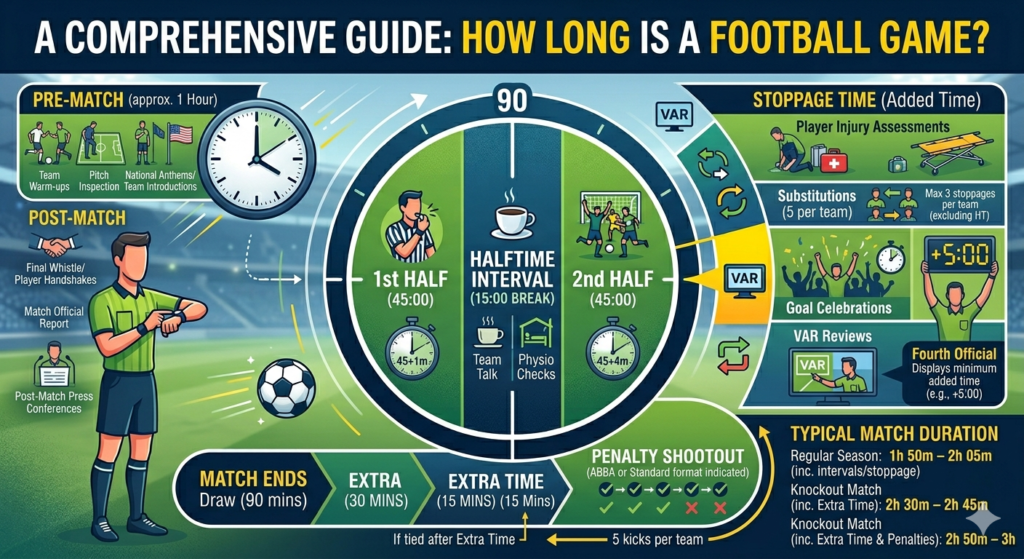
The foundation of every professional match is the 90-minute regulation period. This duration was standardized in the late 19th century and has remained the gold standard for the sport.
The Two Halves
A game is divided into two 45-minute halves. Unlike American football or basketball, the clock in football is continuous. It does not stop when the ball goes out of bounds, when a goal is celebrated, or when a player is cautioned with a yellow card. This “running clock” is what necessitates the addition of time at the end of each period.
The Halftime Interval
The 15-minute halftime break is more than just a rest period. For managers like Pep Guardiola or Carlo Ancelotti, it is a high-pressure window for tactical overhauls. For players, it is a vital recovery phase. Under FIFA regulations, the halftime interval cannot exceed 15 minutes, though in some domestic competitions, it can be slightly shorter if agreed upon by both teams and the referee.
How Long is a Football Game
The Mystery of Stoppage Time (Added Time)
The most unpredictable part of a football game is Stoppage Time (often called injury time). This is the period added to the end of each 45-minute half to compensate for time lost during play.
Why is Time Added?
The fourth official, stationed on the touchline, holds up an electronic board indicating the minimum number of minutes to be added. The referee calculates this based on:
-
Substitutions: Traditionally 30 seconds per player swap.
-
Injuries: Assessment and removal of injured players.
-
Goal Celebrations: Often overlooked, but major celebrations can eat up 60–90 seconds.
-
VAR Checks: Video Assistant Referee reviews are the biggest factor in modern game extension.
-
Disciplinary Sanctions: Time taken to issue cards or manage player confrontations.
The “Collina Effect” and the 100-Minute Match
Since the 2022 World Cup in Qatar, FIFA’s refereeing committee, led by the legendary Pierluigi Collina, has pushed for much longer stoppage times. The goal is to ensure that fans get their money’s worth and that time-wasting is discouraged. It is now common to see 8 to 12 minutes of added time in the second half of major matches.
This trend is expected to be even more prominent during the FIFA World Cup 2026. With 48 teams competing in 104 matches across the USA, Canada, and Mexico, officials are under strict instructions to keep the “ball in play” for as long as possible.
Knockout Rounds: Extra Time and Penalties
In league matches (like the English Premier League or Major League Soccer), a game can end in a draw. However, in knockout tournaments, a winner must be decided.
How Long is a Football Game
Extra Time (Overtime)
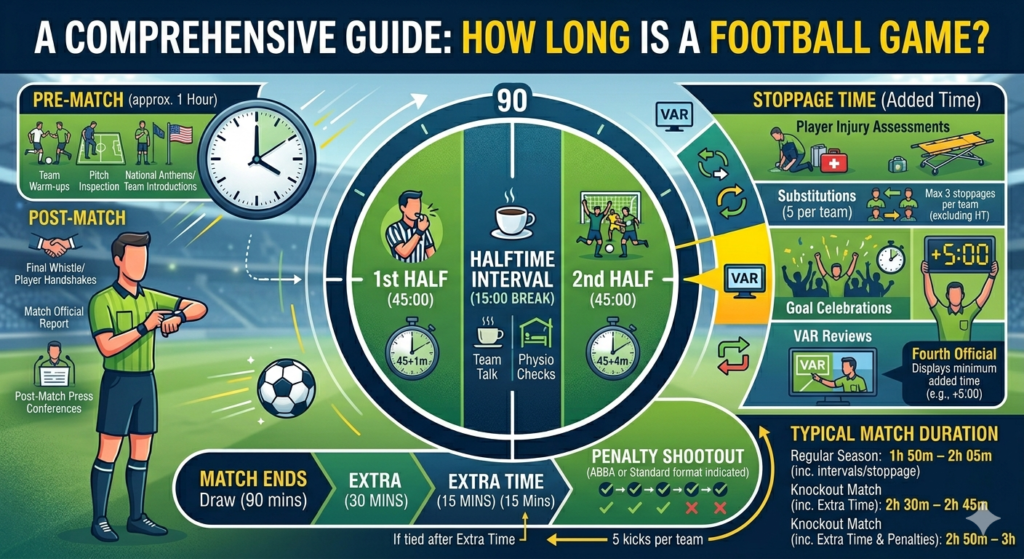
If the score is level after 90 minutes plus stoppage time in a knockout game, the match enters Extra Time. This consists of:
-
A short 5-minute break.
-
Two 15-minute halves of play.
-
A 1-minute break between these halves (usually just long enough to swap ends).
Crucially, there is no “Golden Goal” rule anymore. Both 15-minute periods must be played in full, regardless of how many goals are scored. This adds a guaranteed 30 minutes to the game, plus the inevitable stoppage time for each of those 15-minute segments.
The Penalty Shootout
If the deadlock remains after 120 minutes of grueling football, the match moves to a Penalty Shootout. While the shootout itself usually takes 10 to 15 minutes, the psychological tension makes it feel much longer. Each team takes five kicks; if they remain tied, it goes to “sudden death.”
New IFAB Rule Changes for 2026
The International Football Association Board (IFAB) recently met in February 2026 to ratify new rules aimed at speeding up the game. These changes directly impact how long you can expect to stay in your seat.
The 10-Second Substitution Rule
To combat the “slow walk” of a substituted player, IFAB has introduced a 10-second limit. If a player does not exit the pitch within 10 seconds of their number being shown, they face a yellow card, and the restart can be moved or penalized.
Restart Countdowns
Expect to see referees being much more aggressive with “reverse restarts.” If a player takes too long over a throw-in or a corner kick (exceeding a verbalized or signaled countdown), possession may be handed directly to the opponent. These “War on Time-Wasting” measures are designed to shrink the gap between the 90-minute clock and the actual duration the ball is moving.
Total Duration: A Reality Check
When you factor in everything, a “90-minute” game is almost never 90 minutes. Here is a breakdown of what a fan should actually expect:
| Match Phase | Minimum Time | Typical Time | Maximum (Knockout) |
| First Half | 45:00 | 48:00 | 52:00 |
| Halftime | 15:00 | 15:00 | 15:00 |
| Second Half | 45:00 | 52:00 | 58:00 |
| Extra Time | N/A | N/A | 35:00 (inc. breaks) |
| Penalties | N/A | N/A | 15:00 |
| Total | ~105 Mins | ~115 Mins | ~175 Mins |
Variability Across Different Levels of Football
Not every football game is 90 minutes. The duration scales based on the age and physical demands of the participants.
Youth Football (The Growing Years)
To prevent overexertion, youth matches are significantly shorter.
-
U17 & U18: Two 45-minute halves (Standard).
-
U15 & U16: Two 40-minute halves.
-
U13 & U14: Two 35-minute halves.
-
U11 & U12: Two 30-minute halves.
-
U9 & U10: Two 25-minute halves.
Women’s Professional Football
At the professional level (including the FIFA Women’s World Cup), the duration is identical to the men’s game: two 45-minute halves. The intensity and physical metrics in the women’s game have surged, leading to similar stoppage time patterns due to VAR and tactical substitutions.
Blind Football and Para-Sports
Adapted versions of the game often feature 25-minute halves with a 10-minute halftime. In these formats, the clock often does stop when the ball is out of play, similar to futsal, ensuring a specific amount of “effective playing time.”
What to Expect at FIFA World Cup 2026
The 2026 tournament will be a logistical beast. For the first time, the Cup will feature 48 teams and 16 host cities.
Scheduling and “The Clock”
With three host nations, matches will be played across four different time zones. FIFA is prioritizing “player welfare,” which means they are being very specific about kick-off times to maximize rest days. However, because of the high stakes, expect the “Collina Directive” to be in full force.
Referees at the MetLife Stadium (the venue for the Final on July 19, 2026) or the Azteca Stadium will likely add significant time for any perceived time-wasting. Fans should plan for at least 2.5 hours from kick-off to the final whistle for group stage matches, and up to 4 hours for knockout games that might go the distance.
The Impact of VAR in 2026
Technology is evolving. While semi-automated offside technology (SAOT) has made decisions faster, the overall “VAR check” process still adds an average of 2 to 3 minutes per game. In a high-stakes tournament, officials are encouraged to get the call right rather than get the call fast, which naturally extends the duration.
Why Timing Matters for Fans and Bettors
For those attending games in cities like Los Angeles or Dallas, knowing the end time is crucial for catching public transport or making dinner reservations.
For the betting community, “Total Minutes” and “Stoppage Time Goals” have become incredibly popular markets. The “Fergie Time” phenomenon—where goals are scored in the dying embers of a match—is now a statistical reality fueled by the fact that the “dying embers” now last 10 minutes instead of two.
Frequently Asked Questions (FAQs)
Does the clock stop when the ball goes out?
No, in professional association football, the clock runs continuously. The referee keeps track of lost time and adds it to the end of the half.
Is halftime included in the 90 minutes?
No. The 90 minutes refers only to the playing periods. The 15-minute halftime is an additional interval between the two 45-minute halves.
What is the longest football match ever played?
The record for the longest continuous football match is 168 hours (7 days), played by two teams in Germany in 2021 for charity. In professional play, games that go to extra time and penalties are the longest, usually clocking in around 120–140 minutes of actual match time.
Why do some games have 10+ minutes of added time?
This is usually due to a combination of long VAR reviews, multiple substitutions, significant injuries, or intentional time-wasting by players. FIFA’s recent directives aim to maximize the “active” time the ball is in play.
How long is a football game including commercials?
Unlike the NFL, football does not have commercial breaks during play. Commercials only run before the match, during halftime, and after the match. This is why the total broadcast window is usually about 2 hours and 15 minutes for a standard game.

7 Hidden Benefits of Lyposingrass: The Ultimate 2026 Guide

7 Reasons Being Servantful is the Secret Weapon of High-Impact Leaders in 2026

Gachock Footwear: 7 Reasons This Artisanal Move is Changing the Way We Walk
7 Reasons Being Servantful is the Secret Weapon of High-Impact Leaders in 2026
Gachock Footwear: 7 Reasons This Artisanal Move is Changing the Way We Walk
7 Hidden Benefits of Lyposingrass: The Ultimate 2026 Guide
-
 Business11 hours ago
7 Reasons Being Servantful is the Secret Weapon of High-Impact Leaders in 2026
-
 Health10 hours ago
7 Hidden Benefits of Lyposingrass: The Ultimate 2026 Guide
-
Blog23 hours ago
Gachock Footwear: 7 Reasons This Artisanal Move is Changing the Way We Walk
-
 Blog3 days ago
Anticimex Oy and Indoor Quality Service Oy: A Strategic Blueprint for Building Health M&A
-
 Blog1 day ago
MyReadibgMsngs: Decoding the Trend, Meaning, and Practical Use
-
Blog23 hours ago
9.7.4 Leash CodeHS Answers: The Smart Way to Solve, Learn & Score Higher
-
 Blog3 days ago
The Definitive Guide to Query 73: Mastering High-Performance SQL in Modern Data Warehousing
-
 Business3 days ago
The Ultimate Guide to Adventureppctop.com Business License: Transparency and Compliance in Digital Advertising