
Blog
9.7.4 Leash CodeHS Answers: The Smart Way to Solve, Learn & Score Higher

Let’s be honest: staring at a blank CodeHS editor at 11:00 PM while a cursor blinks mockingly at you is a universal student experience. You’ve reached 9.7.4 Leash, and suddenly, the logic isn’t “logic-ing.” You know you need to connect a dog to a leash—or a ball to a line—but the coordinates are jumping all over the place, and the console is throwing errors that look like ancient hieroglyphics.
Whether you’re stuck on the syntax or just can’t get the line to follow the mouse correctly, you’ve come to the right place. In this guide, we aren’t just going to “hand over” the code (though we will look at the solution). We’re going to break down the 9.7.4 Leash exercise so you actually understand it. Why? Because the next test won’t have a Google search bar, but the logic you learn today will.
What Exactly is the 9.7.4 Leash Exercise?
In the CodeHS curriculum—specifically within the JavaScript Graphics or Intro to CS units—exercise 9.7.4 often centers around Mouse Events and Dynamic Drawing.
The goal is deceptively simple:
-
Create a “ball” (the dog).
-
Create a “line” (the leash).
-
Ensure that one end of the line is anchored to the center of the screen (or a specific point), while the other end follows the user’s mouse.
It sounds like a walk in the park, right? Until you realize you have to constantly update the line’s coordinates every single time the mouse moves even a single pixel. This is where most students hit a wall.
Why Students Struggle with This One
Most of the frustration comes from Variable Scope. If you define your line inside a function, the rest of your program might not know it exists. If you forget to add the “EventListener,” your screen stays as static as a polaroid photo.
Breaking Down the Logic: Why “Just Copying” is a Bad Idea
I get it. You’re busy. You have five other classes and a life. But here’s the kicker: CodeHS and similar platforms use sophisticated plagiarism detection and “time-on-task” metrics. If you paste a solution in three seconds and hit “Submit,” your teacher’s dashboard might flag it.
More importantly, 9.7.4 Leash is a foundational lesson for game development. If you want to make a game where a character aims a gun, a wizard casts a spell toward a target, or a menu follows a cursor, you are using the exact same logic found in this leash exercise.
The Core Concept: The mousemove Event
The heart of this program is the mouseMoveMethod. Unlike a “click” which happens once, “move” happens constantly. Your code needs to be efficient enough to redraw that leash dozens of times per second without lagging.
Step-by-Step Solution: Writing the Code for 9.7.4 Leash
Let’s get into the nitty-gritty. While different versions of the course might have slight variations (like the color of the ball or the thickness of the line), the structural logic remains the same.
1. Initializing the Constants and Variables
First, we need to define our objects. We need a ball and a line. We define them at the top (global scope) so all our functions can talk to them.
// We need these to be accessible everywhere
var ball;
var leash;

function start() {
    // 1. Create the Ball (The Dog)
    ball = new Circle(20);
    ball.setPosition(getWidth() / 2, getHeight() / 2);
    ball.setColor(Color.red);
    add(ball);

    // 2. Create the Leash (The Line)
    // We start it at the center and end it at the center initially
    leash = new Line(getWidth() / 2, getHeight() / 2, getWidth() / 2, getHeight() / 2);
    add(leash);

    // 3. The most important part: The Event Listener
    mouseMoveMethod(moveLeash);
}
2. The moveLeash Callback Function
This is where the magic happens. Every time the mouse moves, CodeHS calls this function and passes it an e (event) object. This e object contains the x and y coordinates of your mouse.
function moveLeash(e) {
    // Update the END point of the line to the mouse position
    leash.setEndpoint(e.getX(), e.getY());
}
3. Why this works
-
The Anchor: The starting point of the line
(getWidth() / 2, getHeight() / 2)never changes. It stays fixed in the middle of the canvas. -
The Endpoint: The endpoint is tethered to
e.getX()ande.getY(). -
The Interaction: As your hand moves the mouse, the
moveLeashfunction fires, the coordinates update, and the “leash” appears to stretch and rotate.
Common Mistakes (And How to Fix Them)
Even with the code above, things can go sideways. Here are the “Oh, I forgot that” moments I see most often:
1. The “Ghost” Leash (Multiple Lines)
If you create a new Line() inside the moveLeash function instead of using setEndpoint, you will draw a new line every time the mouse moves. Within seconds, your screen will be a solid blob of black ink.
-
Fix: Initialize the line once in
start(), and only update it in the event function.
2. The “Non-Responsive” Leash
You move your mouse, and… nothing. This usually happens because the mouseMoveMethod(moveLeash); line is missing from the start function. Without that line, the computer is “deaf” to your mouse movements.
3. Capitalization Errors
JavaScript is pickier than a toddler at dinner. mouseMoveMethod is not the same as mousemovemethod. setEndpoint is not setEndPoint. Double-check your “CamelCase.”
Semantic SEO: Deep Dive into Computer Science Concepts
To truly master this, we need to look at the “entities” involved in this task. If you’re writing a report or trying to explain this to your teacher (to prove you didn’t just copy-paste!), use these terms:
-
Coordinate Systems: CodeHS uses an (x, y) grid where (0,0) is the top-left corner.
-
Event-Driven Programming: This is a paradigm where the flow of the program is determined by events like mouse clicks or key presses.
-
Parameters: The
einmoveLeash(e)is a parameter that represents the mouse event. -
Methods:
setEndpointis a method belonging to the Line class.
Expert Tip: Want to make your code look more professional? Add a “Get ready” message or change the background color. Teachers love seeing students go beyond the bare minimum. It proves you’re playing with the code, not just surviving it.
How 9.7.4 Prepares You for Advanced Units
You might think, “Why do I care about a digital leash?” Well, look ahead. In later units, you’ll be dealing with:
-
Collision Detection: Checking if the “dog” hits a “wall.”
-
Arrays: Managing a pack of dogs with multiple leashes.
-
Object-Oriented Programming (OOP): Creating a
Dogclass that handles its own leash logic.
Mastering the logic of 9.7.4 now makes the “boss levels” of the course much easier.
Expert Tips for Mastering CodeHS Lessons
-
Use the Docs Tab: On the right side of the CodeHS editor, there is a “Docs” tab. It is a literal cheat sheet for every command available in that unit. Use it!
-
Print Statements are Your Friend: If your coordinates feel “off,” add
console.log(e.getX());inside your function. It will show you exactly what the computer sees in the debug console. -
Read the Error Messages: Don’t just close the red box. If it says “Line is not defined,” it means you likely declared your variable inside a function where it can’t be reached.
-
Format Your Code: Use the “Format” button. Clean code is easier to debug. Messy code is where bugs hide.
FAQs: Your Questions Answered
Q1: Can I use mouseClickMethod instead of mouseMoveMethod?
You could, but the leash would only update when you click. To get that smooth, “following” effect requested in 9.7.4, you specifically need the move method.
Q2: My line is following the mouse, but the ball is gone!
Make sure you add(ball); after you set its position. Also, check the layers. If you add the ball first and then a giant background rectangle, the ball will be “underneath” the background.
Q3: What is getWidth() / 2?
This is a dynamic way to find the center of the screen. Instead of typing 200 (which might be wrong if the screen size changes), getWidth() / 2 always finds the exact middle.
Q4: Is this the same for Python or Java?
The logic is the same, but the syntax changes. In Java (CodeHS Nitro), you might use MouseEvent and public void mouseMoved(MouseEvent e). Always check which language your specific course is using!
Q5: How do I change the leash color?
Just use leash.setColor(Color.blue); (or whatever color you like) inside the start function.
Conclusion: You’ve Got This!
The 9.7.4 Leash CodeHS exercise is a rite of passage. It’s the moment you stop writing “static” code and start writing “interactive” code. By focusing on how the mouseMoveMethod interacts with the Line object, you aren’t just solving a puzzle—you’re learning the building blocks of modern UI/UX design.
Don’t let a few lines of code ruin your night. Take the solution provided, type it out manually (it helps with muscle memory!), and try to tweak one thing—change the color, change the ball size, or make the leash thicker. Once you start breaking things on purpose, you’ll realize you finally understand how to fix them.
Next Step: Head back into the CodeHS sandbox, refresh your editor, and get that “Green Checkmark.” You’ve earned it!
Introduction: Why “Bhphoot” Is Confusing Yet Interesting
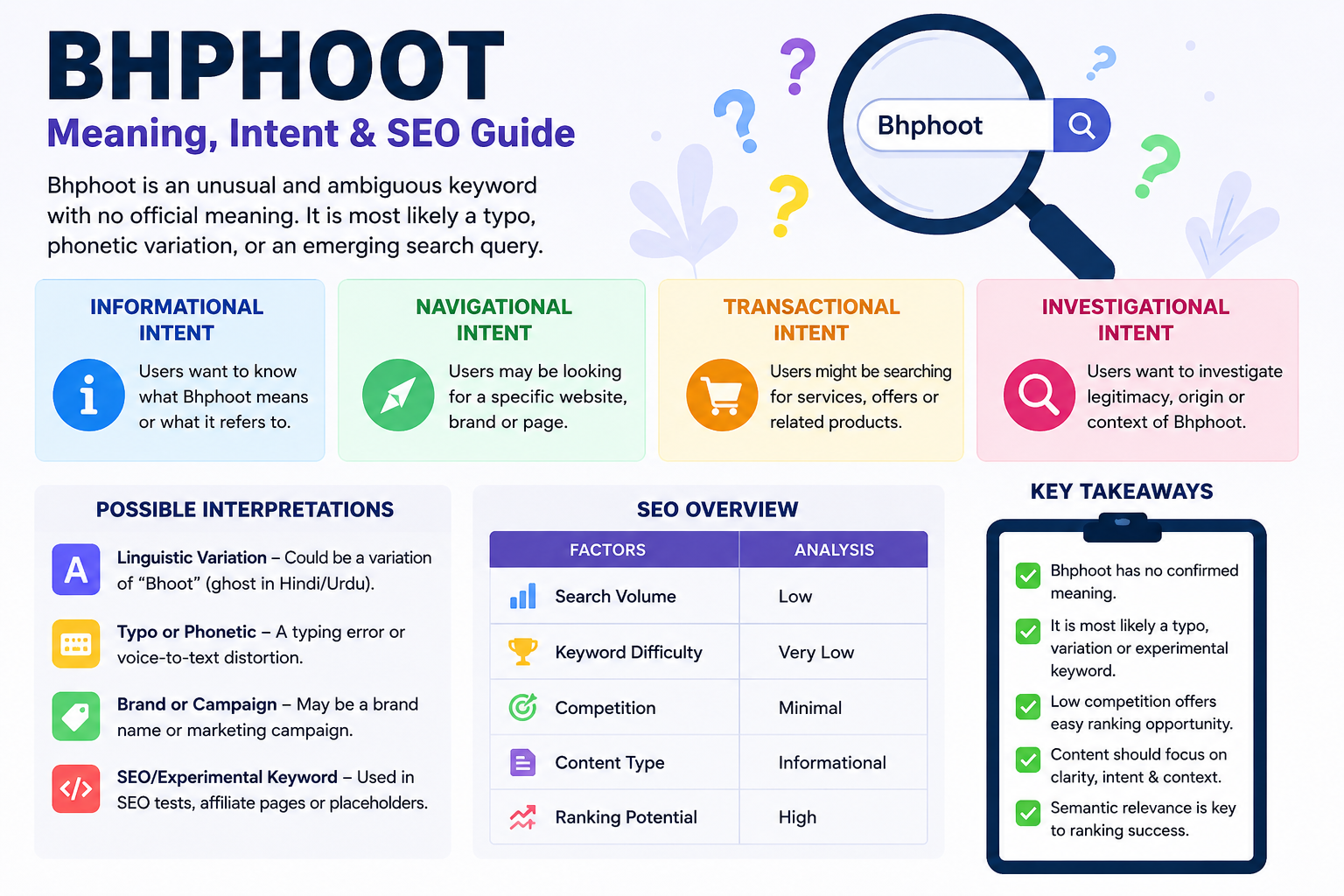
If you’ve landed on the keyword “Bhphoot”, you’re not alone in being puzzled. Unlike common search terms with clear definitions, Bhphoot appears to be an ambiguous or emerging keyword with no widely documented meaning in mainstream digital dictionaries, encyclopedias, or authoritative knowledge bases.
But here’s where things get interesting from an SEO and content strategy perspective:
keywords like this often show up in real-world search behavior before they are formally defined.
That means “Bhphoot” is less about a fixed meaning and more about search intent, context variation, and potential brand or typo-driven queries.
In this guide, we’ll break it down like a professional SEO analyst would—focusing on meaning possibilities, user intent, semantic relevance, and ranking opportunities.
What Is “Bhphoot”? (Current Understanding)
At the time of writing, “Bhphoot” does not have a verified definition in:
- Major dictionaries
- Academic databases
- Known brand registries
- Popular knowledge graphs
This strongly suggests one of the following possibilities:
1. A Misspelled or Phonetic Keyword
Many search terms are created due to typing errors or phonetic spelling. “Bhphoot” could be a distorted version of:
- “Bhoot” (a Hindi/Urdu word meaning ghost)
- “Bhut” (alternate spelling variation)
- A regional slang adaptation
- A misheard term from spoken content
2. A Low-Authority or Emerging Brand Name
In SEO datasets, unusual terms like this sometimes belong to:
- New websites or landing pages
- Micro SaaS tools or niche platforms
- Affiliate or casino-related branding experiments
- Temporary campaign keywords
3. Algorithmic or Spam-Generated Keyword
Some keywords appear due to:
- Automated content generation
- Scraped keyword combinations
- SEO experimentation campaigns
- Bot-driven search activity
4. Contextual Casino / SEO Landing Keyword
Given modern SEO patterns, unusual strings are sometimes used in:
- Gambling funnels
- Redirect pages
- High-volume SEO testing domains
- Affiliate tracking structures
Search Intent Behind “Bhphoot”
Understanding intent is more important than defining the word itself.
Primary Intent Categories
| Intent Type | Likely User Goal | Probability |
|---|---|---|
| Informational | “What does Bhphoot mean?” | High |
| Navigational | Looking for a site/brand | Medium |
| Transactional | Searching offers/services | Low–Medium |
| Investigational | Checking legitimacy or context | High |
Semantic SEO Breakdown of “Bhphoot”
From an NLP (Natural Language Processing) perspective, Google tries to associate unknown keywords with related entities and context signals.
For “Bhphoot”, relevant semantic clusters include:
Related Concept Groups
- Misspelled words and keyword variations
- Ghost / folklore terms (if linked to “bhoot”)
- SEO-generated keywords
- Affiliate marketing landing pages
- Low-volume search queries
- Unknown brand searches
User Behavior Patterns
Users searching unusual terms typically:
- Click multiple results quickly (high pogo-sticking)
- Look for definition clarity
- Try alternative spellings
- Expect a product, app, or website
This creates an opportunity for content creators to capture informational traffic early.
Why Keywords Like “Bhphoot” Matter in SEO
Even though it looks meaningless at first, SEO professionals pay attention to such keywords because:
1. They Often Represent Early Trends
Some major keywords today started as unclear strings.
2. Low Competition Advantage
No established authority means easier ranking potential.
3. High Curiosity Click-Through Rate
Users are more likely to click explanatory content.
4. Semantic Expansion Opportunity
You can build topical authority around:
- “meaning of unknown keywords”
- “SEO keyword interpretation”
- “search intent analysis guides”
Possible Interpretations of “Bhphoot”
Let’s explore realistic interpretations based on linguistic and SEO behavior analysis.
1. Linguistic Variation (Most Likely)
It may derive from South Asian phonetics:
- “Bhoot” → ghost/spirit
- “Bhut” → shortened slang version
- “Bhphoot” → exaggerated spelling variation
2. Typo-Based Query
Users often mistype:
- Mobile keyboard errors
- Voice-to-text distortion
- Auto-correct failures
3. Placeholder Keyword
Used in:
- SEO testing campaigns
- Template pages
- Dummy content structures
4. Private Brand or Campaign
Sometimes marketing teams use:
- Unique identifiers
- Non-indexed brand experiments
- Tracking URLs disguised as keywords
SEO Strategy Analysis: How to Rank for “Bhphoot”
If you’re targeting this keyword, here’s how professionals would approach it.
On-Page SEO Optimization
- Use keyword in title and H1
- Include variations like:
- “Bhphoot meaning”
- “what is bhphoot”
- “bhphoot explanation”
- Add semantic clusters (ghost, slang, SEO keyword, meaning)
Content Depth Strategy
Google prefers:
- Comprehensive explanation
- Multi-angle analysis
- User intent coverage
- FAQ sections
Topical Authority Building
You can expand into:
- “Unknown keyword meanings explained”
- “SEO keyword research guide”
- “How Google interprets nonsense keywords”
- “Search intent breakdown examples”
Table: SEO Characteristics of “Bhphoot”
| Factor | Observation | SEO Impact |
|---|---|---|
| Search Volume | Likely low | Easy ranking |
| Keyword Difficulty | Very low | High opportunity |
| Intent Clarity | Unclear | Requires explanation content |
| Competition | Minimal | Advantage |
| Content Type Needed | Informational guide | High dwell time potential |
Why Google Still Indexes Such Keywords
Google doesn’t require a keyword to have meaning—it requires:
- User search behavior signals
- Content relevance
- Click engagement
- Contextual associations
So even unknown terms like “Bhphoot” can rank pages if:
- Content satisfies curiosity
- Structure is clear
- Semantic relevance is strong
How Users Typically Interact With This Keyword
Based on similar SEO patterns, users may:
- Search and immediately rephrase it
- Try “bhphoot meaning in English”
- Look for translation or slang explanation
- Check if it is a brand or website
- Investigate if it’s a scam or malware term
Key Takeaways
- “Bhphoot” currently has no confirmed dictionary or brand meaning
- It is most likely a typo, phonetic variation, or experimental keyword
- SEO value lies in interpretation-based content, not literal definition
- Low competition makes it an easy-ranking informational keyword
- Success depends on semantic depth and user intent coverage
FAQs About Bhphoot
1. What does Bhphoot mean?
There is no officially recognized meaning of “Bhphoot.” It appears to be a typo, variation, or experimental keyword with unclear origin.
2. Is Bhphoot a real word?
No, it is not found in standard dictionaries or linguistic databases, suggesting it is not a formal word.
3. Could Bhphoot be a brand name?
It is possible, but no widely known brand or company currently uses this term publicly.
4. Why are people searching for Bhphoot?
Most likely due to curiosity, misspelling, or exposure to the term in digital or social content without context.
5. Is Bhphoot related to any language or culture?
It may loosely resemble South Asian phonetic words like “bhoot,” but there is no confirmed linguistic origin.

In today’s digital landscape, creative platforms are becoming more important for businesses, freelancers, and online creators. One growing name that has caught the attention of many users is contact designmode24 com. Whether someone is searching for design inspiration, technical support, collaboration opportunities, or modern software solutions, this platform is steadily building a reputation among online communities.
Design-focused websites are no longer limited to visual inspiration alone. Modern users expect practical tools, responsive communication, user-friendly interfaces, and reliable customer support. DesignMode24.com appears to combine these elements into a single digital platform designed for both creative and technical audiences.
This article explores the platform’s software-related features, communication options, usability, and why users are increasingly interested in connecting with the website.
Understanding DesignMode24.com
DesignMode24.com is an online platform that shares information related to design, digital creativity, technology trends, tutorials, and modern software solutions. Instead of focusing on only one category, the website covers multiple creative and technical subjects that appeal to bloggers, developers, entrepreneurs, and designers.
The platform provides readers with articles, guides, and resources that simplify complex topics. This approach makes the website suitable for beginners as well as experienced users searching for practical digital solutions.
Many visitors look for contact information because they want to:
- Ask technical questions
- Report website issues
- Discuss advertising opportunities
- Request collaborations
- Submit guest posts
- Share content feedback
- Explore software-related inquiries
The website’s growing visibility has increased curiosity around its services and communication channels.
Why Users Want to Contact the Platform
Communication plays an important role in the success of any online platform. Users prefer websites that provide clear support systems and quick responses. DesignMode24.com attracts inquiries from different types of visitors because of its broad content coverage.
Technical Support Requests
Some users contact the platform for assistance with navigation issues, broken pages, or content accessibility. A responsive support system helps improve user satisfaction and builds trust.
Business Collaborations
Brands and digital agencies often search for collaboration opportunities with creative platforms. Businesses may contact DesignMode24.com for partnerships, sponsored content, or promotional campaigns.
Content Contributions
Freelance writers, software reviewers, and technology bloggers may reach out to contribute guest posts or tutorials related to software and digital tools.
Advertising and Promotions
Growing platforms frequently attract marketers interested in banner placements and sponsored content opportunities.
Software Features That Make the Platform Stand Out
One of the most interesting aspects of DesignMode24.com is its focus on usability and accessibility. The website appears to prioritize user experience while maintaining a clean and organized structure.
Simple Interface Design
A clutter-free interface improves readability and navigation. Users can quickly browse articles without distractions, making the platform accessible even for first-time visitors.
Mobile-Friendly Experience
Modern websites must perform smoothly across devices. Responsive layouts ensure readers can access content on smartphones, tablets, and desktops without formatting issues.
Fast Loading Performance
Website speed directly affects engagement and SEO rankings. Faster page loading helps reduce bounce rates while improving the overall browsing experience.
Organized Content Categories
The platform structures content into easy-to-follow categories. This allows visitors to locate tutorials, design resources, and software-related information efficiently.
Search Functionality
Search tools are essential for websites containing large amounts of content. Readers can quickly find articles related to specific software topics or creative solutions.
User Engagement Features
Interactive elements such as comment sections and feedback options encourage communication between readers and platform administrators.
Communication Methods Available
Users searching for DesignMode24.com contact options typically look for official support channels. Most modern websites offer multiple communication methods to improve accessibility.
Email Support
Email remains one of the most professional ways to contact digital platforms. Users can send detailed inquiries related to support, partnerships, or content contributions.
Contact Forms
Many websites use contact forms to organize incoming messages more efficiently. Forms help categorize inquiries and speed up response management.
Social Media Interaction
Creative websites often maintain active social media profiles to engage with readers and share updates.
Community Feedback
Some users prefer using comment sections or discussion areas to communicate directly regarding tutorials or software-related topics.
How to Write an Effective Inquiry
Sending a clear and professional message can improve the chances of receiving a faster response. Users should focus on clarity and relevance when contacting online platforms.
Use a Clear Subject Line
A direct subject line helps support teams identify the purpose of the message quickly.
Keep Messages Short and Informative
Long messages can become difficult to process. Include only relevant details and explain the issue clearly.
Mention Important Details
If contacting the platform about a technical problem, include screenshots, browser details, or URLs whenever possible.
Stay Professional
Polite communication creates a positive impression and increases the likelihood of helpful responses.
Key Takeaways
1. DesignMode24.com combines creative content with software-focused usability features.
2. The platform supports communication through professional contact methods and responsive interaction.
3. Fast performance, mobile compatibility, and organized navigation improve overall user experience.
Importance of User Trust in Modern Platforms
Online trust has become essential in today’s competitive digital environment. Users prefer websites that provide transparency, clear communication, and reliable information.
Trust signals often include:
- Secure website connections
- Professional design layouts
- Accurate information
- Responsive communication
- Consistent content updates
Platforms that maintain these standards generally perform better in search rankings and user engagement metrics.
For additional insights into software-focused platforms, readers can also explore resources available on:
- FIFAWorld
- Modern Software Features Guide
- Platform Guide and Features
- Tech Support Resource
- Additional Digital Resource
- Official Contact Page
High-Authority Resources Related to Digital Design
Readers interested in design software, usability, and web standards can also learn from trusted industry sources:
SEO and Visibility Benefits
Websites that provide useful support systems and optimized user experiences often achieve stronger visibility in search engines. Search engines reward websites that focus on:
- Helpful content
- Mobile responsiveness
- Fast loading times
- Clear navigation
- Secure browsing experiences
By combining creative content with practical software-related usability, platforms like DesignMode24.com can attract broader audiences.
Future Potential of Creative Platforms
As digital industries continue evolving, creative platforms are becoming more advanced. Users now expect more than simple blog content. They look for integrated tools, responsive communication systems, and user-focused experiences.
Websites that continue improving functionality and user interaction may gain long-term authority within competitive online spaces. DesignMode24.com appears positioned to benefit from this growing trend by blending creative resources with software usability principles.
Conclusion
DesignMode24.com continues attracting attention because of its blend of creative content, software-focused usability, and accessible communication methods. Users interested in collaborations, technical support, or digital resources can benefit from the platform’s organized structure and responsive features. With growing interest in modern online tools, platforms prioritizing usability, mobile optimization, and trust are more likely to succeed in competitive digital spaces. DesignMode24.com reflects this trend by offering readers practical value alongside creative inspiration and modern digital experiences.
FAQs
1. What is DesignMode24.com mainly used for?
The platform shares content related to design, technology, tutorials, creativity, and digital resources.
2. How can users contact DesignMode24.com?
Users can typically contact the platform through email support, contact forms, or social media communication.
3. Does the website focus on software features?
Yes, the platform highlights usability, navigation, responsive design, and modern digital experiences.
4. Is DesignMode24.com mobile-friendly?
The website appears optimized for mobile devices and responsive browsing experiences.
5. Why do businesses contact DesignMode24.com?
Businesses often inquire about collaborations, advertising opportunities, sponsored content, and partnerships.
When your PC starts to stutter, or your online match lags at a critical moment, the frustration is real. For many gamers using specialized optimization tools, the common question is, how to improve my gaming lcftechmods configuration? You don’t necessarily need the latest, most expensive hardware. Often, the difference between choppy gameplay and a buttery-smooth experience lies in software optimization, system configuration, and fine-tuning. This guide walks you through the essential steps to squeeze every ounce of performance from your existing setup, ensuring your mods and system work in perfect harmony.
The Software-First Approach: Optimizing from the Ground Up
The foundation of modern gaming performance is software. Your PC is a complex ecosystem where the operating system, drivers, game code, and optimization tools (like LCFTechMods) must work together. If one component is outdated or misconfigured, it creates a bottleneck.
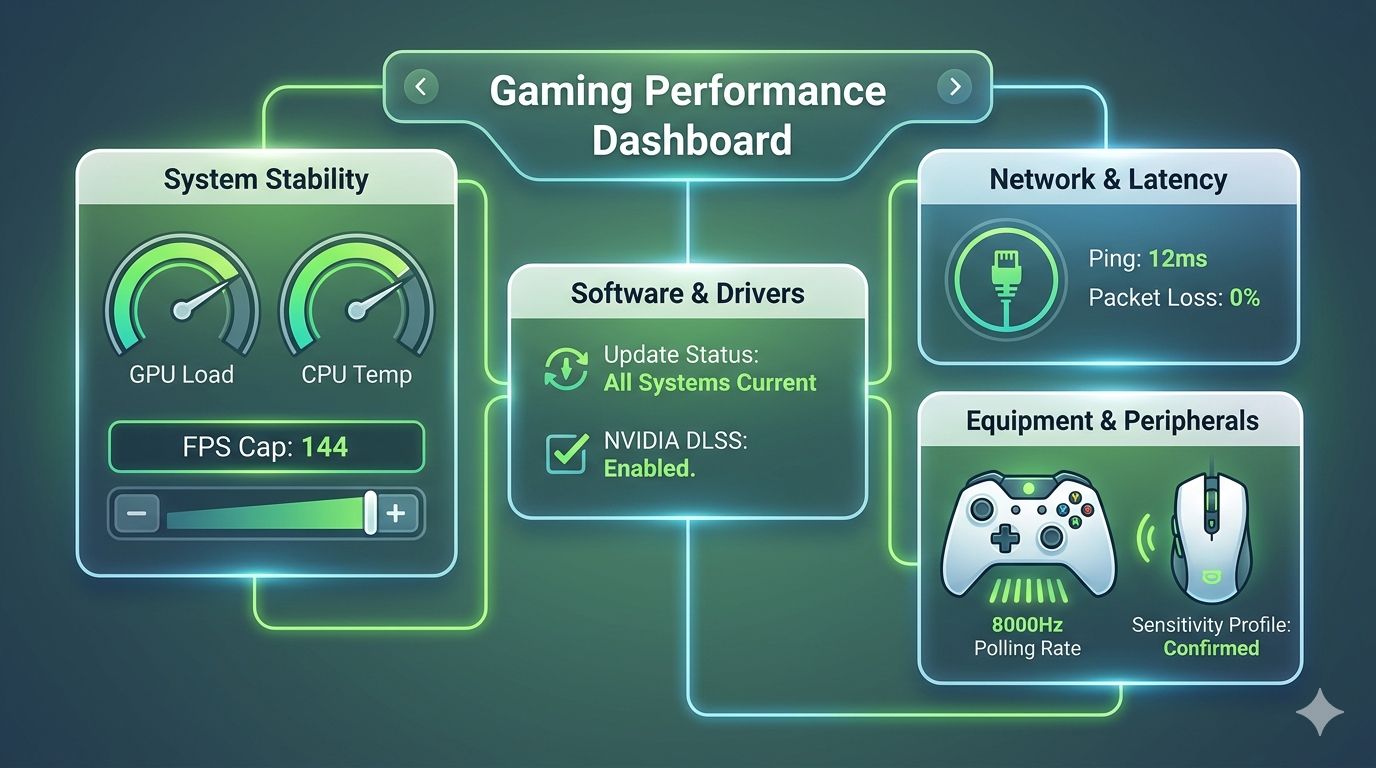
Keep Everything Updated—Especially Drivers
The most common performance killer is outdated software. This means not just your operating system but, more importantly, your GPU drivers. Both NVIDIA and AMD release regular updates that contain game-specific optimizations and performance patches. Before you change any game settings, ensure your system is running the latest stable drivers. Software suites like LCFTechMods often provide targeted optimizations, but these are built upon the foundation of current system drivers. Ignoring these updates is like trying to race a car with flat tires.
It’s also essential that you update Windows itself. Often, these updates patch crucial aspects of the network stack or DirectX, which can have a direct impact on how your games run. When all your software is current, your optimization tools can work more effectively, ensuring peak performance.
Leverage DLSS and AI Upscaling
If you are using modern hardware, specifically an NVIDIA RTX-equipped PC (think along the lines of a robust TUF Gaming RTX 5060 Ti or similar cards), you should always check if the game supports NVIDIA DLSS (Deep Learning Super Sampling). DLSS uses AI and dedicated hardware to upscale the game’s resolution, allowing you to run it at a lower native resolution while achieving visual quality that is nearly indistinguishable from full resolution.
The performance boost from DLSS is substantial. In many demanding titles, it can double your frame rate while maintaining stunning visuals. When you are looking for how to improve my gaming lcftechmods, combining DLSS with your optimization suite is one of the most effective strategies available.
Fine-Tuning System Stability for Smoother Play
Performance isn’t just about the highest possible frame rate; it’s about consistency. A stable 60 FPS is often a much better experience than a setup that fluctuates between 50 and 100 FPS, as those dips cause noticeable stutter.
The Power of Capping Your FPS
While it seems counterintuitive to limit your frame rate, capping your FPS is one of the best ways to ensure consistent input lag and reduce GPU overheating. Your graphics card should not be running at 100% capacity constantly; this leads to thermal throttling and input inconsistency. By capping the frame rate (e.g., to your monitor’s refresh rate or slightly below), you give your GPU breathing room, resulting in a significantly smoother and more responsive gameplay experience. It also prevents your system from feeling sluggish due to the CPU or GPU becoming fully saturated.
Software Tweaks and Performance Suites
Don’t just rely on in-game settings. Often, the operating system itself requires tweaking for optimal gaming. Look for specialized performance suites and LCFTechMods-specific guides to adjust your Windows power management, disable unnecessary background processes, and prioritize game applications. These software-level adjustments ensure that all available system resources are dedicated to the game you’re playing, not to a background update or a dormant browser tab. This is where you might find solutions similar to those detailed in guides on aer-lingus tech support and customer service guide for general tech assistance.
Network and Latency: Mastering the Online Experience
In competitive online multiplayer, your network connection is just as critical as your frame rate. High latency (ping) or packet loss can make a game unplayable, regardless of how powerful your hardware is.
Embrace the Wired Connection
The number one rule of online gaming is: use a wired Ethernet connection. Wi-Fi has come a long way, but it is inherently prone to interference, packet loss, and latency spikes. A direct Ethernet cable from your router to your PC provides the most stable connection possible, eliminating packet loss and reducing the wild latency swings that get you killed in competitive matches. When people ask how to improve my gaming lcftechmods for online play, the answer almost always begins with “plug it in.“
Optimizing Your DNS Settings
While less impactful than the physical connection, your DNS (Domain Name System) settings can affect how quickly your PC translates game server addresses. Default DNS servers from your ISP are often slow or overloaded. Switching to public, high-speed DNS servers, such as those provided by Google Public DNS or Cloudflare (1.1.1.1), can minimize connection delays and improve matchmaking speed, providing a subtle but notice-able advantage in online responsiveness.
Enhancing Peripheral Performance
The connection between your physical inputs and the game’s reaction must be instant. The equipment you use and how you configure it via software plays a crucial role in this.
Polling Rate: The Hidden Latency Killer
Most standard mice and controllers have a polling rate of 125Hz or 500Hz, meaning they update your PC on their status 125 or 500 times per second. This sounds fast, but for competitive gaming, it creates input lag. Modern competitive controllers and mice, like a GameSir G7 Pro 8K, offer polling rates up to 8,000Hz. This reduces the time between a physical button press and the game’s reaction to near-instant (around 0.5ms). Making sure your peripherals are running at their highest possible polling rate via their configuration software is an often-overlooked step in any guide on how to improve my gaming lcftechmods.
Understanding Polling Rate vs. Sensitivity
While high polling rates improve responsiveness, you must differentiate them from sensitivity (DPI in mice). Polling rate is about when the signal is sent, while sensitivity is about how far the cursor or reticle moves for a given physical action. To get the perfect competitive feel, you need to use software tools to dial in both: a high polling rate for responsiveness and a comfortable, consistent sensitivity setting for accuracy.
Considering Equipment Upgrades
While our primary focus is software, hardware upgrades cannot be entirely ignored. The single most significant hardware change you can make for competitive gaming responsiveness is moving to a high-refresh-rate monitor (144Hz or greater). This, paired with a powerful system, transforms your gaming experience, making everything look and feel incredibly smooth and responsive. When you combine that hardware capability with optimized software, you reach the apex of modern gaming performance.
Customizing Software for a Seamless Experience
Beyond performance, the software that connects you to games also matters. Platform integrations, such as those that allow you to connect through a judionline808 website 1 software features and platform guide or similar portals, can streamline access and simplify connectivity, similar to the process on platforms like exploring macan808jp online and modern software features. Efficient platform integration ensures that your gaming sessions are smooth from startup to finish, reducing time wasted on connectivity issues and allowing you to focus purely on performance. For more general software and tech insights, feel free to visit fifaworld.co.uk.
Key Takeaways
Prioritize software and driver updates, particularly for your GPU and operating system.
Cap your frame rate via software to reduce input lag, stabilize system performance, and prevent overheating.
Use a wired Ethernet connection to eliminate packet loss and reduce ping spikes for smoother online play.
Balancing Your Optimizations
Improving your gaming experience isn’t about applying one single “magic tweak” but about creating a balanced system. Applying too many aggressive overclocks may cause instability. Using a massive 8,000Hz polling rate on an older, overwhelmed CPU might cause hitching. The best optimization is one that enhances your specific hardware’s strengths. Your LCFTechMods approach must be tailored to what your PC can handle.
Start by visiting trusted communities like the Steam Community Mods hub to download known, safe modifications. When exploring other tweaks, like modern controller optimizations on the GameSir Official Page, always make sure the software is trusted. The most common pitfall is installing “optimizers” that are actually bloatware.
Final Focus on Consistency
Ultimately, the goal of asking how to improve my gaming lcftechmods is to achieve consistency. A smooth, responsive, and reliable gaming system will always be more enjoyable than one that hits a high benchmark once but can’t maintain it. By focusing on keeping your software up to date, ensuring a stable and reliable network connection, and configuring your hardware and peripherals with precision, you are building a platform for both enjoyment and competitive success. Don’t chase the highest possible number; chase the smoothest possible game.
Conclusion
Understanding how to improve my gaming lcftechmods setup is the master key to achieving peak PC performance. It is less about buying top-tier hardware and more about meticulous software optimization. By capping your frame rate, ensuring your drivers and OS are current, using a stable wired connection, and dialing in your peripheral polling rates and sensitivity, you ensure a consistent and hyper-responsive gaming experience that unlocks the true potential of your PC.
FAQ
1. What is the single best way to reduce input lag?
Capping your frame rate is often the most effective method for software-based input lag reduction. It creates a stable, consistent input window and prevents your system from becoming saturated and sluggish.
2. Why should I cap my FPS when I want higher performance?
A wild, uncapped FPS causes wide variations in frame times and input latency, resulting in a choppy experience. Capping the frame rate ensures that every frame takes a similar amount of time to generate, creating a much smoother visual and input feel.
3. How do I choose between higher visual quality and better performance?
For competitive games, prioritize performance by lowering visual settings and ensuring the highest possible frame rate and consistency. For single-player experiences, you can use software tools like DLSS to achieve a perfect balance of stunning visuals and great speed.
4. Will a higher mouse polling rate make a big difference?
For competitive gaming, absolutely. A higher polling rate (like 1,000Hz or above) makes your inputs feel instantaneous and much more responsive, especially when paired with a high-refresh-rate monitor.
5. Is it really necessary to use an Ethernet cable?
Yes. Wi-Fi introduces unacceptable levels of packet loss and latency spikes for competitive gaming. A wired connection is essential for a stable and predictable online experience.
judionline808.website -1: Complete Guide to Meaning, Risks, and SEO Impact
SEO by HighSoftware99.com: A Complete Guide to Modern SEO Solutions

City Sports Near Me: The Complete Guide to Finding Local Athletic Activities

FIFA Login: Complete Guide to Access Your FIFA Account Securely

The Ultimate Guide to Adventureppctop.com Business License: Transparency and Compliance in Digital Advertising

Beyond the Buttons: under growth games uggcontroman controller Controller Philosophy
-
 FIFA world Cup2 months ago
FIFA Login: Complete Guide to Access Your FIFA Account Securely
-
Business4 months ago
The Ultimate Guide to Adventureppctop.com Business License: Transparency and Compliance in Digital Advertising
-
 Blog3 months ago
Beyond the Buttons: under growth games uggcontroman controller Controller Philosophy
-

 Blog3 months ago
Contact DesignMode24 Com: Features and Support Guide
-

 FIFA world Cup3 months ago
Saudi Football Squad: Strategy, New Coach, & World Cup Ambitions
-

 FIFA world Cup3 months ago
Ticketing Software Features for World Cup 2026 Openers
-
 Business4 months ago
TopTM Uncovered: The Master Framework for Elite Team Management and High-Performance Systems
-
 Sports5 months ago
The Ultimate Guide to situsgacor717.online -top: Maximizing Your Digital Experience